
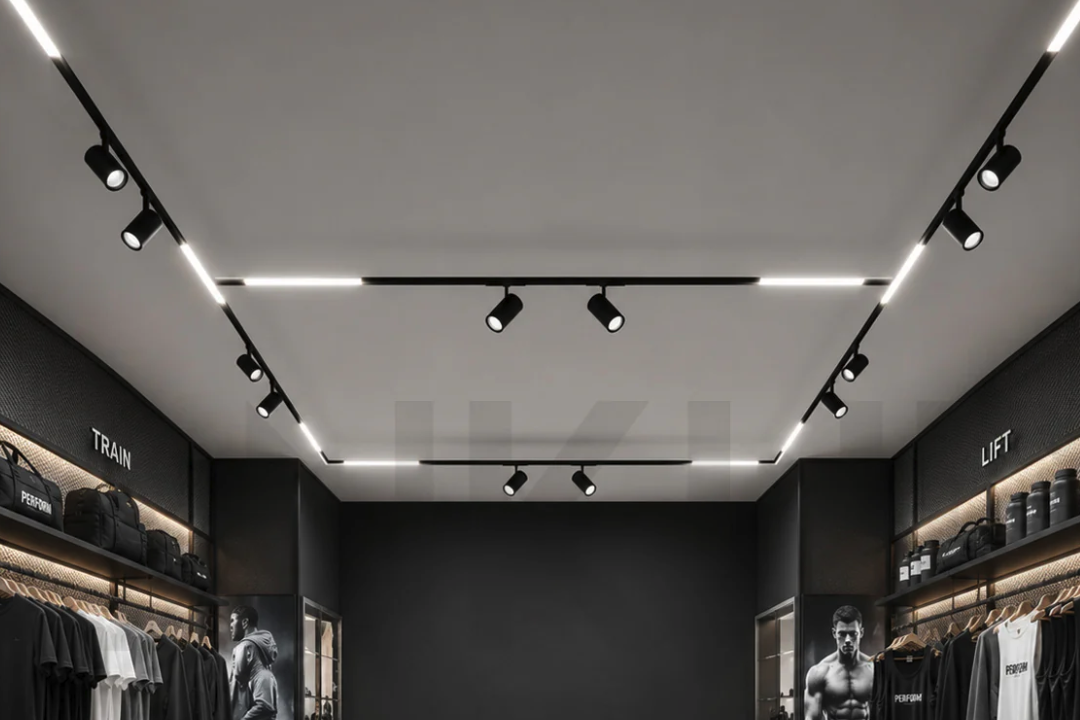
Looking to give your shop a fresh, inviting look and highlight your amazing products? Commercial track lighting is a fantastic solution. It’s super versatile, letting you direct light exactly where you need it, which can make a huge difference in how customers experience your store. Forget those old, static lights; track lighting offers dynamism and flexibility, allowing you to adapt your lighting scheme with every new display or season.
Think about it: how often do you walk into a store and just feel drawn to a particular item? Often, it’s not just the product itself, but how it’s presented. Lighting plays a massive role in that.
It’s All About Flexibility
One of the biggest perks of track lighting is its adaptability. You can add, remove, or reposition light fixtures Tiroom along the track without needing to call an electrician every time. This means you can easily adjust your lighting as your inventory changes, during sales promotions, or even for different times of the day.
Highlighting Your Best Sellers
With track lighting, you can literally put a spotlight on your star products. Direct a beam onto that new arrival, a special sale item, or a beautifully arranged display. This helps guide your customers’ eyes and draws them to what you want them to see most.
Creating Ambiance
Lighting isn’t just about brightness; it’s about mood. Track lighting offers a range of options, from warm, inviting tones to bright, crisp whites. You can mix and match to create different zones within your store – perhaps a cozy, intimate area for premium products and a brighter, more energetic space for impulse buys.
Energy Efficiency is a Big Plus
Many modern track lighting systems use LED bulbs, which are incredibly energy-efficient. This translates to lower electricity bills, a smaller carbon footprint, and less time spent changing bulbs. It’s a win-win for your budget and the environment.
Understanding the Components of a Track Lighting System
Before you dive in, it’s good to understand the basic parts that make up a track lighting system. It’s not overly complicated, but knowing the lingo helps.
The Track Itself
This is the backbone of your system. Tracks come in various lengths and can be cut to size. They typically feature internal conductors that carry electricity to the light fixtures.
Types of Track Installation
- Surface Mounted: The most common type, where the track is installed directly onto the ceiling or wall. Straightforward and practical.
- Recessed: The track is built into the ceiling, offering a sleek, flush look. This is often planned during initial construction or major renovations.
- Pendant Mounted: The track hangs from the ceiling on rods or cables, often used in spaces with high ceilings or to create a more industrial aesthetic.
Track Heads (The Lights!)
These are the individual light fixtures that attach to the track. They come in a huge variety of styles, sizes, and beam angles.
Swivel and Aim Capabilities
Most track heads are fully adjustable, meaning you can pivot and tilt them to direct light exactly where you need it. This is key for dynamic displays.
Lamp Types (Bulbs)
While older systems might have used halogen or incandescent, modern track heads almost exclusively use LEDs.
- LED: Energy-efficient, long-lasting, and available in a wide range of color temperatures and brightness levels. Dimmable options are also very common.
Connectors and Accessories
These bits bridge the gaps and make your system complete.
Straight and Corner Connectors
Use these to extend your track or turn corners, allowing you to create complex layouts that fit your store’s shape.
End Caps and Power Feeds
End caps cover the open ends of the track for a finished look, while power feeds deliver electricity from your building’s wiring to the track.
Dimmers
Adding a dimmer switch gives you even more control over the ambiance, allowing you to adjust brightness based on time of day or specific promotions.
Planning Your Commercial Track Lighting Layout
This is where the magic happens! A well-planned layout can transform your store. Don’t just throw lights up randomly; think strategically.
Consider Your Store’s Footprint
Walk through your store and mentally map out the different areas. Do you have a window display? A checkout counter? Specific product zones?
Identify Key Display Areas
What products do you want to highlight? New arrivals, best-sellers, promotional items, or high-margin goods? These areas should get focused illumination.
Think About Light Layers
Effective lighting uses a combination of different light types.
- Ambient Lighting: General, overall illumination that ensures the space isn’t too dark. This doesn’t have to be track lighting; it could be recessed fixtures or overhead panels.
- Accent Lighting: This is where track lighting shines. It focuses light on specific products or features, creating visual interest and drawing attention.
- Task Lighting: For areas like the cash wrap or fitting rooms, where customers or staff need clear visibility.
Spacing and Beam Angles
The distance between your track heads and the angle of their light beam will dictate how much area each light covers and how intense the spotlight is.
Wider Beam for General Wash
If you want to illuminate a broader section of a wall or a large display, choose track heads with a wider beam angle.
Narrow Beam for Spotlighting
For pinpointing a single product or feature, opt for a narrower beam angle. This creates a dramatic, focused effect.
Installation Considerations: What to Keep in Mind
While installing track lighting isn’t usually rocket science, it’s crucial to follow safety guidelines and, when in doubt, call a professional.
Electrical Capacity
Ensure your store’s existing electrical circuits can handle the load of your new track lighting system. Overloading a circuit can cause tripped breakers and even fire hazards.
Ceiling Height Matters
The height of your ceiling will influence your choice of track heads and how you direct them. In very high ceilings, you might need higher wattage bulbs or pendant-mounted track heads to bring the light closer to your products.
Professional Installation vs. DIY
For smaller, simpler setups, you might be able to DIY if you’re comfortable with basic electrical work. However, for larger stores or complex layouts, hiring a licensed electrician is always the safest and most reliable option. They’ll ensure everything is up to code and installed correctly.
Dimming Systems
If you plan to incorporate dimming, make sure your chosen track heads and dimmer switch are compatible. Not all LED lights are dimmable, and those that are often require specific types of dimmers.
Maximizing the Impact of Your Track Lighting
Once your system is in place, it’s time to refine and optimize. This is an ongoing process as your store evolves.
Experiment with Angles and Focus
Don’t be afraid to adjust your track heads frequently. A small tweak in angle can make a big difference in how a product looks. Walk around your store, pretending to be a customer, and see what catches your eye.
Highlight Textures and Colors
Lighting can dramatically enhance the appearance of different materials. Use warmer light to bring out the richness in wood or fabric, and cooler, brighter light to make metals and glass sparkle.
Create Focal Points
Use your track lighting to intentionally guide customers’ eyes to specific areas. Think of it as creating a visual pathway through your store, leading them from one compelling display to the next.
Adjust for Seasonal Displays
Whether it’s a holiday promotion or a seasonal markdown, track lighting allows you to quickly and easily reconfigure your lighting to match your new display. This constant refresh keeps your store looking vibrant and engaging.
Combine with Other Lighting Types
Track lighting is excellent for accent and task lighting, but it usually works best when combined with good ambient lighting. This creates a balanced and welcoming overall light environment.
Regularly Clean Your Fixtures
Dust and grime can accumulate on light fixtures and bulbs, diminishing their brightness and efficiency. A quick, regular wipe-down will keep your lighting performing its best.
Common Mistakes to Avoid
Even with the best intentions, it’s easy to make a few missteps that can diminish the effectiveness of your track lighting.
Overlighting or Underlighting
Too much light can be harsh and overwhelming, making products look washed out. Too little light leaves your store feeling dim and uninviting. Strive for balance and purpose.
Poor Placement
Placing lights directly above walking paths instead of product displays is a common error. The goal is to illuminate the merchandise, not the floor.
Ignoring Beam Spread
Using a wide beam when you need a narrow spotlight, or vice-versa, can lead to inefficient lighting. Match the beam spread to the object or area you’re trying to illuminate.
Lack of Dimming Control
Not having dimming capabilities means you lose out on the flexibility to adjust the mood and intensity of your lighting throughout the day or for special events.
Inconsistent Color Temperature
Mixing very warm lights with very cool lights in the same area can create a jarring and unpleasant visual experience. Try to maintain a consistent color temperature or strategically place different temperatures in distinct zones.
Final Thoughts: Light Up Your Success
Investing in commercial track lighting isn’t just about illuminating your store; it’s about creating an experience. It’s about showcasing your products in their best light, literally. It’s about drawing customers in, guiding their journey, and ultimately, boosting your sales. With a little planning and attention to detail, track lighting can be one of the most effective tools in your retail arsenal, offering incredible flexibility and a modern aesthetic that will make your storefront truly stand out.