
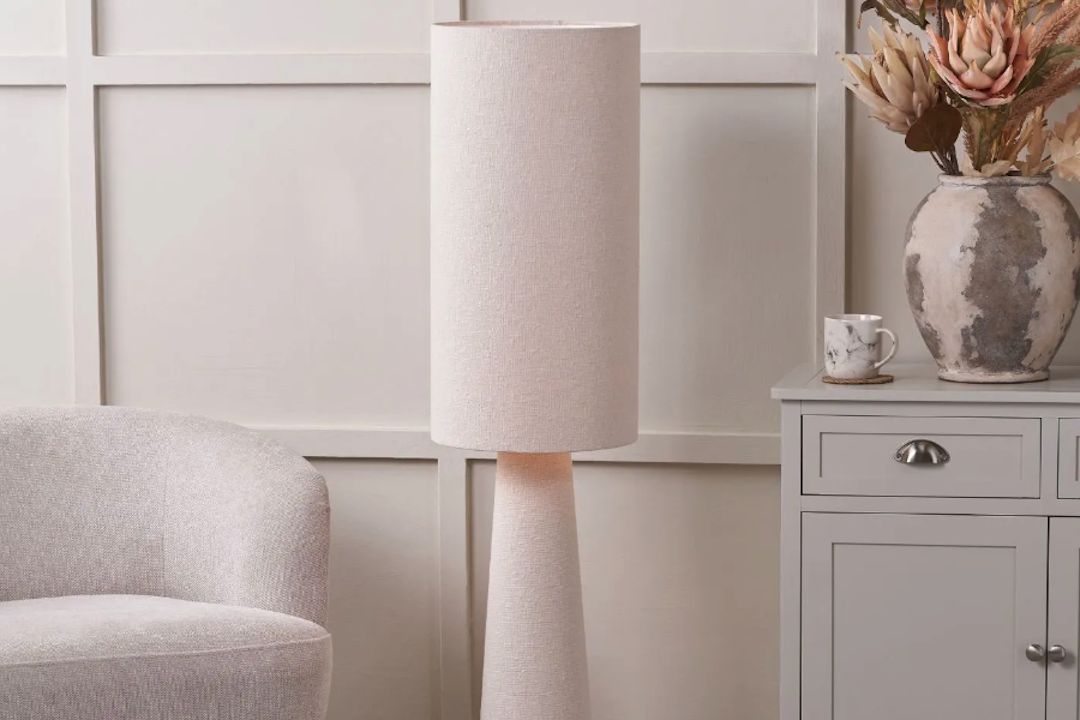
Linen fabric drum shade floor lamps are an excellent choice for enhancing your living space, and here’s why: they offer a perfect blend of diffused, warm lighting, natural aesthetics, and surprising versatility, making them a practical and stylish addition to almost any room. They aren’t just light sources; they’re design elements that elevate the atmosphere.
Let’s dive into what makes these lamps Lovinolive so appealing beyond just their looks. It’s about how they function and integrate into your home.
The Gentle Glow You’ll Love
One of the biggest advantages of a linen drum shade is the quality of light it produces. Unlike harsh, direct light, linen diffuses the bulb’s output beautifully.
- Soft, Ambient Lighting: Linen’s natural fibers soften the light, eliminating glare and creating a cozy, inviting atmosphere. This is perfect for relaxation areas like living rooms or bedrooms.
- Reduced Eye Strain: The diffused light is much easier on the eyes, making it ideal for reading or simply unwinding after a long day. You won’t feel that sharp, irritating brightness.
- Warmth and Comfort: Linen often has a slightly off-white or natural beige tone, which imparts a warm hue to the emitted light, further enhancing the feeling of comfort in your space.
Natural Aesthetics and Texture
Beyond the light itself, linen brings a tactile and visually appealing element to your decor.
- Organic Appeal: Linen, a natural fiber derived from the flax plant, brings an earthy, organic feel to your interior. It’s a subtle nod to nature that can calm and ground a space.
- Subtle Texture: The weave of linen fabric, even when smooth, offers a subtle texture that adds depth and interest. This isn’t a flat, one-dimensional material; it has character.
- Versatility in Style: While inherently natural, linen can complement a vast range of interior design styles, from rustic and bohemian to minimalist modern and even classic contemporary. It’s a chameleon of sorts.
Finding the Right Spot: Placement and Purpose
Where you put your linen drum shade floor lamp matters, and thinking about its primary function will guide your choice.
Anchor Your Living Room
Living rooms are often the heart of the home, and a floor lamp can play a crucial role in both lighting and aesthetics.
- Reading Nook Companion: Place it beside an armchair or sofa to provide focused yet soft light for reading or knitting. The drum shade directs light downwards and outwards, making it ideal for this task.
- Corner Illuminator: If you have a dark corner that feels a bit neglected, a floor lamp can brighten it up, instantly making the room feel larger and more welcoming. It acts as an accent piece, drawing the eye.
- Defining Zones: In open-plan living spaces, a floor lamp can subtly help define different areas without the need for physical barriers. For example, placing one near an entertainment center can delineate a viewing zone.
Bedside Serenity in the Bedroom
While table lamps are common, a floor lamp can offer a different dynamic in the bedroom.
- Space Saver: For smaller bedrooms or nightstands that are already cluttered, a floor lamp frees up valuable surface real estate. You still get excellent reading light without sacrificing space for your book, alarm clock, or glass of water.
- Soft Evening Glow: The diffused light is perfect for winding down before bed. It creates a tranquil atmosphere that isn’t jarring after a busy day.
- Accent and Height: A floor lamp adds vertical interest to a bedroom, especially if your other furniture is low-profile. It can balance out the visual weight of a large bed.
Functional Flair in the Home Office
Even in a workspace, the right lighting can make a huge difference in comfort and productivity.
- Task Lighting Support: While a desk lamp might be primary, a floor lamp can provide crucial ambient lighting, reducing shadows and eye strain from the contrast between your screen and a dark room.
- Mood Enhancer: A well-lit office feels more inviting and less sterile. The natural light of a linen shade can contribute to a more pleasant working environment.
- Video Call Background: If you frequently have video calls, a strategically placed floor lamp can provide soft, flattering light, making you look more natural on camera and illuminating your background appealingly.
Design Styles and How Linen Lamps Fit In
One of linen’s superpowers is its adaptability. It’s not limited to one look.
Modern Minimalism
Clean lines and uncluttered spaces are the hallmarks of modern minimalism.
- Understated Elegance: A simple drum shade on a sleek metal (black, chrome, or brushed nickel) or natural wood base fits perfectly. The linen introduces a touch of softness without adding visual noise.
- Neutral Palette: Linen’s natural color aligns beautifully with the neutral and monochromatic schemes often found in minimalist design. It adds texture without color.
- Focus on Form and Function: These lamps provide essential light efficiently while maintaining a refined aesthetic, adhering to the minimalist principle of “less is more.”
Scandinavian Serenity
Inspired by Nordic design, this style emphasizes natural materials, light colors, and functionality.
- Natural Harmony: Linen is a cornerstone material in Scandinavian design due to its natural origins and simple beauty. It complements wood furniture, wool throws, and ceramic accents effortlessly.
- Bright and Airy: The diffused light from a linen shade contributes to the bright, airy feel characteristic of Scandinavian interiors, helping to maximize natural light as much as possible.
- Cozy Hygge: The soft lighting and natural texture of linen contribute to the feeling of “hygge” – comfort and coziness – that is central to Scandinavian living.
Bohemian Rhapsody
Boho style embraces global influences, natural textures, and a relaxed, eclectic vibe.
- Textural Layering: Linen adds another layer of natural texture to a bohemian space, complementing woven rugs, macramé, rattan, and various textiles.
- Earthy Tones: The natural color of linen blends seamlessly with the rich, earthy palettes and accent colors often found in bohemian decor.
- Relaxed Ambiance: The soft, non-intrusive light fosters the laid-back, inviting atmosphere that is quintessential to bohemian style. It’s about creating a personal sanctuary.
Farmhouse Chic
This style merges rustic farm elements with sophisticated comfort.
- Simple Purity: Linen aligns with the unpretentious, honest aesthetic of farmhouse design. It feels authentic and handcrafted, even if it’s not.
- Warmth and Comfort: The soft glow and natural material enhance the cozy, welcoming feel of a modern farmhouse home.
- Contrasting Elements: If you have distressed wood or metal accents, the linen shade can provide a lovely soft contrast, balancing the ruggedness with refinement.
What to Look For: Key Features Beyond Aesthetics
When you’re actually shopping, it’s easy to get caught up in how a lamp looks. But some practical considerations will ensure you’re happy with your purchase for years to come.
Base Materials and Stability
The base isn’t just about looks; it’s about stability and durability.
- Metal Bases: Steel, brass, and bronze are common. Look for heavy, solid bases to prevent tipping, especially if you have pets or small children. Finishes like brushed nickel, matte black, or antique brass can significantly alter the lamp’s overall style.
- Wood Bases: Oak, walnut, and even reclaimed wood can provide a warm, natural anchor. Ensure the wood is well-finished and the base is wide enough for stability. Wooden bases often pair beautifully with linen for a truly organic feel.
- Marble or Stone Bases: These offer exceptional stability due to their weight and can add a luxurious touch. They tend to be more expensive but are very durable.
Shade Construction and Quality
Not all linen shades are created equal. Pay attention to the details.
- Fabric Composition: While called “linen,” some shades might be a linen blend (e.g., linen and cotton, or linen and synthetic). Pure linen offers the best natural texture and light diffusion. Check the product description carefully.
- Inner Lining: A good quality shade will have an inner lining, often PVC, which helps to diffuse the light evenly, protect the outer linen from heat, and maintain the shade’s shape. A translucent or white lining is best for maximizing light output.
- Seams and Edges: Inspect the seams for neatness and durability. The edges should be clean and well-finished, often with a rolled edge or subtle trim, indicating good craftsmanship.
- Removable/Replaceable Shade: Consider if the shade is designed to be easily replaced. This can be a huge bonus if you want to update your decor later or if the shade gets damaged.
Lumens, Bulbs, and Dimmers
The actual light output is crucial for functionality.
- Bulb Type (LED is Best): Most modern floor lamps are designed for LED bulbs. These are energy-efficient, long-lasting, and don’t produce much heat. Look for lamps with standard E26 or E27 sockets, offering the most bulb-choice flexibility.
- Color Temperature (Kelvin): For a warm, inviting glow, aim for bulbs in the 2700K to 3000K range (“soft white” or “warm white”). Higher Kelvin numbers (4000K+) are “cool white” or “daylight,” which might feel too bright or stark for ambient lighting (unless it’s specific task lighting).
- Brightness (Lumens): Consider how bright you need the lamp to be. For ambient lighting, 800-1100 lumens (equivalent to a 60-75W incandescent) is a good starting point. For reading, you might want something a bit brighter.
- Dimmer Compatibility: A dimmer switch is a fantastic feature. It allows you to adjust the light intensity to your exact needs, making the lamp incredibly versatile whether you need bright task lighting or a soft, moody glow. Ensure both the lamp (if integrated) and the bulb are dimmable. Some floor lamps come with foot dimmers built into the cord.
Maintenance and Longevity
Linen is natural, and like any fabric, it needs a little care to stay looking its best.
Regular Dusting
This is the simplest yet most effective maintenance step.
- Feather Duster or Microfiber Cloth: Gently dust the shade weekly or bi-weekly to prevent dust buildup. Dust can dull the light and make the shade look dirty.
- Vacuum Cleaner with Brush Attachment: For more thorough cleaning, use your vacuum cleaner on its lowest setting with a soft brush attachment. Hold the attachment slightly away from the shade to avoid pulling on the fabric.
Spot Cleaning
Accidents happen, especially with natural fabrics.
- Immediate Action: If you spill something, act quickly. Blot, don’t rub, with a clean, dry cloth to absorb as much liquid as possible.
- Mild Soap Solution: For most stains, a very diluted solution of mild, dye-free soap (like dish soap) and water can be effective. Dampen a clean cloth (don’t soak it) and gently dab the stained area.
- Test in an Inconspicuous Area: Always test any cleaning solution on a small, hidden part of the shade first to ensure it doesn’t cause discoloration or damage.
- Avoid Harsh Chemicals: Bleach or strong chemical cleaners will almost certainly damage linen fabric. Stick to mild solutions.
The Final Shine: Elevating Your Space
A linen fabric drum shade floor lamp isn’t just a utilitarian object; it’s a statement piece that brings warmth, style, and effective lighting to your home. By considering its placement, design synergy, and practical features, you can choose a lamp that not only illuminates your space but genuinely enhances it, contributing to a more comfortable and aesthetically pleasing environment for years to come. It’s an investment in both function and feeling.