
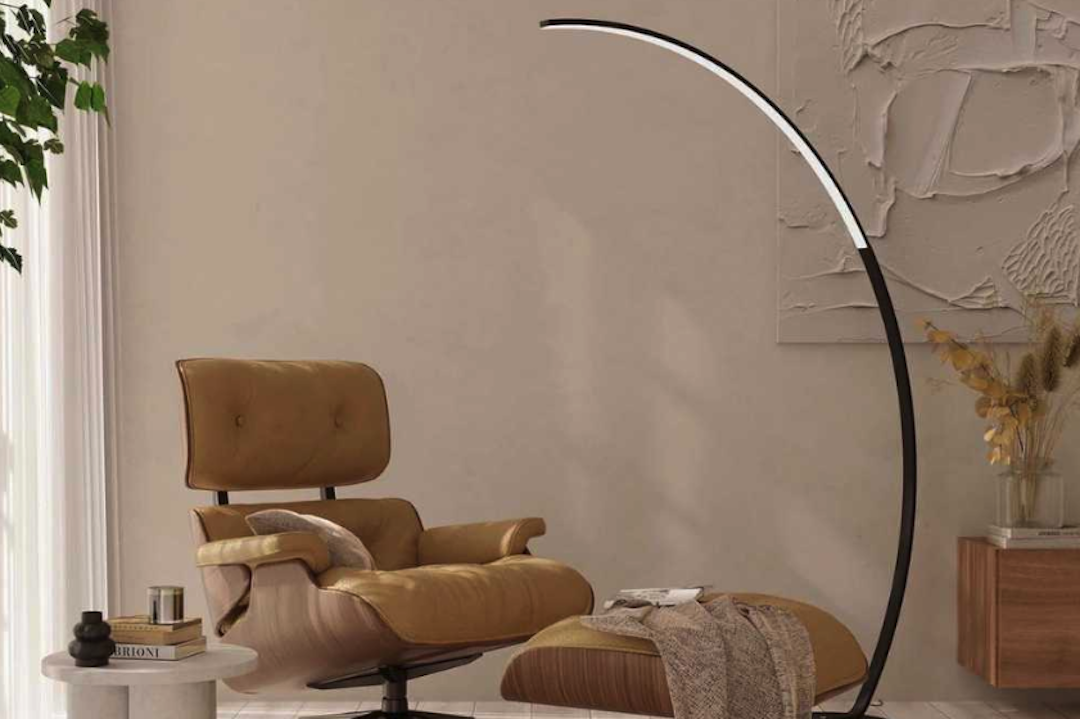
Looking to refresh your lounge’s lighting? A curved LED floor lamp could be just what you need. These lamps offer a modern aesthetic and can significantly alter the ambiance of a room, providing focused or diffused light depending on their design. They’re a practical choice for adding both style and functionality to your living space.
It’s all about combining form and function subtly. These lamps aren’t just light Yeebu sources; they’re design elements that can lift a room. The gentle arc of a curved lamp can break up the straight lines often found in furniture and decor, adding visual interest without dominating the space.
Modern Design Appeal
The contemporary look of curved LED floor lamps is a major draw. They often feature sleek, minimalist designs that complement modern interiors well. Think brushed metals, slim profiles, and integrated LED strips.
Space-Saving Functionality
Unlike traditional lamps that require a table or a significant footprint, many curved lamps have a relatively small base but can extend their light over a wider area. This makes them ideal for smaller lounges or for illuminating a specific spot like a reading chair without cluttering a side table. They can tuck neatly into corners or behind furniture, making the most of your available space.
Versatile Lighting Solutions
LED technology offers a lot of flexibility. Many curved LED lamps come with dimming capabilities or even color temperature adjustments. This means you can easily shift from bright, cool light for focused tasks to warm, ambient light for relaxation, all from one fixture.
Choosing Your Curved LED Floor Lamp
When selecting a lamp, it’s more than just picking one you like the look of. Consider how it will integrate with your current setup and what you need it to achieve practically.
Lumens and Brightness
Don’t just look at wattage; lumens are your guide to brightness. A higher lumen count means a brighter light. Think about the primary purpose of your lamp. Is it for general ambient lighting, or do you need it to illuminate a specific reading nook?
Color Temperature Options
LEDs offer a spectrum of color temperatures, measured in Kelvins (K).
Warm White (2700K-3000K)
This mimics incandescent light, creating a cozy, inviting atmosphere. It’s often preferred for living areas where relaxation is key.
Neutral White (3500K-4500K)
A good middle ground, offering a clear yet comfortable light that’s suitable for various tasks without being too stark.
Cool White/Daylight (5000K-6500K)
Brighter and more invigorating, these temperatures are often used for task lighting or in workspaces. While perhaps not ideal for a primary lounge light, a lamp with adjustable settings could offer this for occasional use.
Dimming Capabilities
A dimmer is a valuable feature. It allows you to adjust the light intensity to suit your mood or activity, from bright task lighting to a subtle glow for movie night. Many modern LED lamps feature touch controls or even remote dimmers for convenience.
Where to Place Your Curved LED Floor Lamp
Strategic placement can make a big difference in how well your lamp performs and how integrated it feels within your lounge.
Over a Seating Area
One of the most popular placements is next to or subtly arching over a sofa or armchair. This provides excellent task lighting for reading or crafts without the need for a bulky table lamp. The curve of the lamp can direct light precisely where it’s needed.
Illuminating a Dark Corner
Every lounge has one – a corner that feels a bit dim. A curved LED floor lamp can brighten these spaces, creating a more balanced and inviting feel across the room. Its arc can help spread light beyond the immediate vicinity of the corner.
Defining Zones
In open-plan living spaces, a curved floor lamp can help define a lounge area. Its presence acts as a visual marker, subtly suggesting a dedicated space for relaxation or conversation without erecting physical barriers.
Practical Considerations for Purchase
Beyond aesthetics, there are a few practical aspects to consider before making a purchase. These can impact usability, longevity, and overall satisfaction.
Build Materials and Stability
Look for lamps made from sturdy materials like brushed steel, iron, or solid wood. A heavy, stable base is crucial to prevent tipping, especially with lamps that have a significant overhang. Cheaper, lighter materials might look good initially but might not stand the test of time or prove a safety hazard.
Cord Length and Location
Consider where your electrical outlets are. A lamp with an ample cord length gives you more flexibility in placement. If the cord is too short, you might find yourself relying on extension cords, which can be an unsightly tripping hazard.
Assembly Requirements
While many lamps offer straightforward assembly, some can be a bit more involved. Check reviews or product descriptions for comments on assembly difficulty if you’re not particularly handy. Most modern LED lamps are designed for relatively simple put-together, though.
Integrated vs. Replaceable LEDs
Most curved LED floor lamps come with integrated LED arrays, meaning the bulbs generally aren’t designed to be replaced by the consumer. This isn’t a problem for longevity (LEDs last a long time), but it’s worth being aware of. If an integrated LED fails, the whole fixture may need to be repaired or replaced. Lamps with replaceable LED bulbs offer more flexibility if you want to experiment with different bulb types or brightnesses down the line, though these are less common in the sleek, minimalist designs often associated with curved lamps.
Maintaining Your Curved LED Floor Lamp
Keeping your lamp in good condition doesn’t take much effort, but a little routine care can ensure it continues to look and function well for years.
Regular Cleaning
Dust and grime can accumulate on the lamp’s surface and shade, dulling its appearance and potentially reducing light output.
Dusting the Fixture
Use a soft, dry cloth or a microfibre duster to gently wipe down the lamp’s metal work and any non-fabric components. For intricate designs, a soft brush might be useful.
Cleaning the Shade/Diffuser
If your lamp has a diffuser, check the manufacturer’s instructions for cleaning. Many can be wiped with a damp cloth and mild detergent, followed by a dry wipe. For fabric shades, a lint roller or a light vacuuming with a brush attachment can remove dust effectively. Avoid abrasive cleaners that could damage finishes.
Checking Electrical Connections
Periodically inspect the cord and plug for any signs of wear, fraying, or damage. Ensure the plug is securely seated in the outlet. If you notice any issues, it’s safer to have the lamp inspected by a professional or consider replacing it. Never use a damaged electrical appliance.
LED Longevity
LEDs are known for their exceptional lifespan. Most integrated LEDs are rated for tens of thousands of hours of use, meaning they could last well over a decade with typical usage. This means you generally won’t need to worry about bulb replacements. If a dimming or color-changing function stops working, it might indicate an issue with the driver or control unit rather than the LED itself.
A curved LED floor lamp offers a practical and stylish lighting solution for nearly any lounge. By considering its design, functionality, placement, and a few practical details during purchase, you can find a lamp that not only enhances your space aesthetically but also provides years of reliable illumination. It’s a thoughtful way to upgrade your lounge’s atmosphere and utility.