
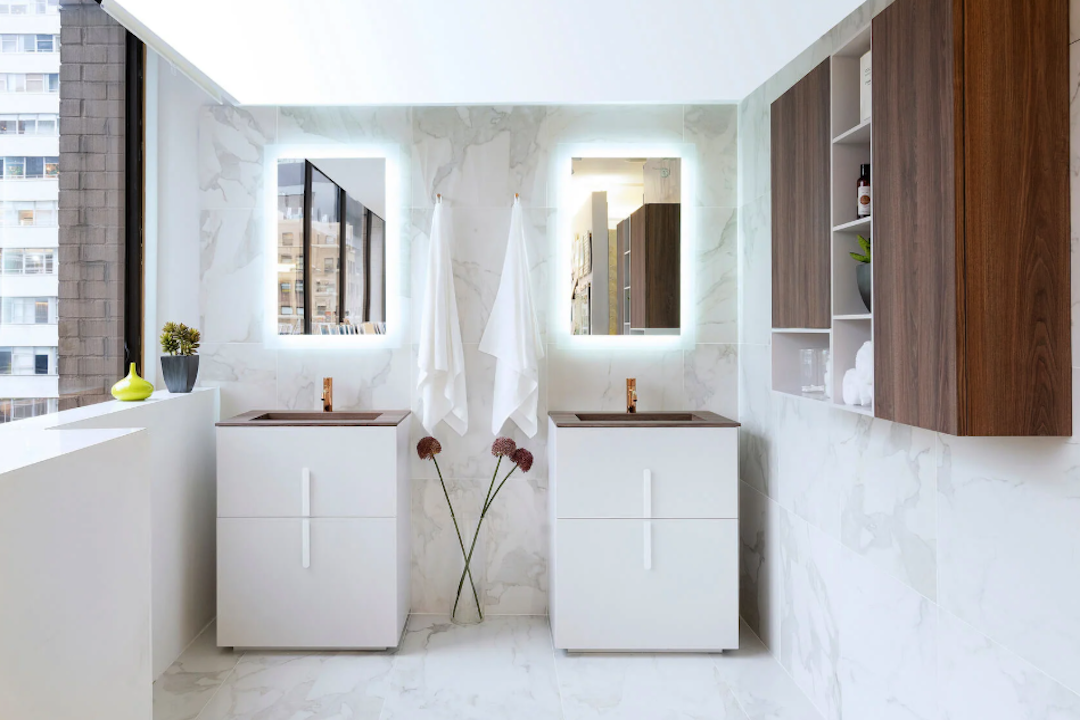
Navigating the complexities of bathroom design, particularly within the often compact footprint of a guest bathroom, requires careful consideration of every element. Lighting, in this context, transcends mere illumination; it sculpts the space, influences perception, and ultimately dictates the guest experience. Among the myriad options available, soft white vanity lights emerge as a strategic choice, offering a blend of functionality and aesthetic appeal that directly contributes to a comfortable and welcoming environment. This article will explore the multifaceted advantages and practical considerations associated with integrating soft white vanity lights into your guest bathroom.
Before delving into the specifics of soft white, it’s crucial to grasp the concept of color temperature. Measured in Kelvin (K), color temperature describes the warmth or coolness of white light. Imagine a blacksmith’s forge: as metal heats, its glow changes from deep red to orange, then yellow, and finally, a brilliant white-blue. Similarly, light Ninpodesign bulbs emulate this spectrum. Lower Kelvin values (2700K-3000K) correspond to “warm white” or “soft white,” emitting a yellowish glow reminiscent of incandescent bulbs. Mid-range values (3500K-4100K) are considered “neutral white” or “cool white,” often used in office settings. Higher values (5000K-6500K) produce “daylight white” or “cool daylight,” which mirrors natural daylight and can appear stark in some interior applications.
The Nuances of “Soft White”
Soft white, typically ranging from 2700K to 3000K, occupies a particular sweet spot on this spectrum. It is intentionally designed to evoke warmth and familiarity. Unlike the starkness that can accompany higher Kelvin temperatures, soft white light possesses a subtle yellow cast, contributing to a perceived sense of coziness and relaxation. This characteristic makes it particularly well-suited for spaces where comfort is paramount, such as a guest bathroom. When you illuminate a space with soft white, you are, in essence, wrapping it in a gentle visual blanket, inviting ease and repose.
The Strategic Importance of Guest Bathroom Lighting
The guest bathroom, though often small, serves a significant purpose. It is a space where visitors prepare for their day, freshen up before an event, or unwind before sleep. The lighting in this space is not merely functional; it is a critical component of the overall guest experience, functioning as a silent ambassador of your hospitality. Poor lighting can leave guests feeling disoriented, unflattered, or even create a sense of unease. Conversely, well-chosen lighting, such as soft white vanity lights, can elevate the space, making it feel more inviting and thoughtful.
Beyond Illumination: The Psychological Impact
Light directly impacts mood and perception. Harsh, cool lighting can be jarring, creating an environment that feels clinical or unwelcoming. It can also unflatter skin tones, leading to discomfort during grooming. Conversely, soft white light provides a flattering glow, minimizing shadows and presenting a more accurate, and often more appealing, reflection. This psychological comfort is particularly important in a guest setting, where you aim to make your visitors feel at home, even in a temporary capacity. Think of it as painting a visual portrait of comfort for your guests.
Functional Considerations for Guest Use
While aesthetics are important, the primary function of vanity lighting is to provide adequate illumination for grooming tasks. Shaving, applying makeup, and hair styling all require clear, direct light without casting harsh shadows. Soft white light, when strategically positioned, can meet these functional requirements without sacrificing warmth. It provides clarity without being aggressive, allowing for precise self-care routines. The challenge, then, lies in balancing this practical need with the desired ambiance.
Selecting the Right Fixtures for Soft White Illumination
The choice of fixture type is as important as the color temperature itself. The fixture acts as the vessel for the light, shaping its distribution and contributing to the overall aesthetic of the bathroom. There are several common types of vanity light fixtures, each with its own advantages and disadvantages.
Bar Lights and Strip Lights
These fixtures, typically mounted horizontally above the mirror, offer even illumination across the face. They often house multiple bulbs, ensuring broad coverage. When selecting bar or strip lights for soft white illumination, ensure that the bulbs or integrated LEDs have a color temperature within the 2700K-3000K range. Their linear nature can complement modern or minimalist bathroom designs, creating a clean visual line. Consider the length of the fixture in relation to the width of your vanity to ensure proportional balance.
Sconces and Wall Mounts
Sconces are individual fixtures mounted on either side of the mirror. This vertical placement offers excellent cross-illumination, minimizing shadows that can be cast by overhead lighting. When using sconces, ensure they are positioned at a height that illuminates the face without creating glare. The ideal height typically places the center of the sconce at eye level. Soft white bulbs in sconces create a layered, multi-directional glow that can add depth and sophistication to the guest bathroom. They can be particularly effective in creating a more traditional or elegant aesthetic.
Integrated LED Fixtures
Many contemporary vanity light fixtures now feature integrated LED technology. This offers several benefits, including energy efficiency, longer lifespan, and often a more compact design. When opting for integrated LED fixtures, verify the specified color temperature before purchase. Manufacturers usually clearly state the Kelvin rating. These fixtures can offer a sleek, seamless look, and their ability to produce consistent soft white light without external bulbs can simplify maintenance.
Dimmers and Smart Lighting
The ability to adjust the intensity of light adds another layer of versatility to your guest bathroom. Installing dimmer switches allows guests to tailor the lighting to their preference, whether they need bright light for detailed tasks or a softer glow for relaxation. Integrating smart lighting systems can offer even greater control, allowing for scheduled lighting adjustments or remote operation. A dimmer switch transforms your lighting from a static element into a dynamic one, offering your guests agency over their environment.
Installation and Placement Considerations
Proper installation and strategic placement are paramount to maximizing the benefits of soft white vanity lights. The best fixtures, poorly positioned, will underperform. Think of your lighting as a sculptor’s chisel, shaping the visual experience of the room.
Height and Distance from the Mirror
The vertical placement of vanity lights is critical for effective illumination and shadow reduction. For bar lights or strip lights mounted above the mirror, aim for a height that minimizes overhead shadows on the face. For sconces, ideally, the center of the fixture should be at eye level (approximately 60-66 inches from the floor) to provide direct, even light across the face. The distance between sconces should be roughly the width of the vanity plus a few inches on either side to ensure adequate spread.
Avoiding Glare and Harsh Shadows
The goal is to provide ample light without creating uncomfortable glare or unflattering shadows. Choose fixtures with diffusers or frosted glass to soften the light and prevent direct glare from the bulbs. Position lights to illuminate the face evenly from multiple angles, especially with sconces. Avoid single, overhead-only light sources, as these can cast harsh shadows under the eyes and chin, making grooming difficult and less appealing. Your lighting should embrace the face, not assault it.
Layering Light for Optimal Ambiance
Consider incorporating a layered lighting scheme in your guest bathroom. While vanity lights address functional needs, ambient lighting (such as a ceiling fixture) provides general illumination, and accent lighting (like a small decorative lamp or recessed lights) can highlight architectural features or artwork. When combining soft white vanity lights with other light sources, ensure their color temperatures are complementary. Mixing dramatically different color temperatures (e.g., warm soft white vanity lights with cool daylight ceiling lights) can create a disjointed and visually unappealing effect. Strive for a symphony of light, rather than a cacophony.
Energy Efficiency and Maintenance
Modern lighting solutions offer significant advantages in terms of energy consumption and longevity. Prioritizing efficiency not only benefits the environment but also reduces operating costs.
LED Technology: The Energy-Saving Choice
Light Emitting Diodes (LEDs) are the clear winner when it comes to energy efficiency. They consume significantly less energy than traditional incandescent or even fluorescent bulbs, translating to lower electricity bills. Beyond energy savings, LEDs have an exceptionally long lifespan, often lasting tens of thousands of hours. This reduces the frequency of bulb replacement, a convenience both for you and for your guests. When you choose LEDs, you are investing in a sustainable and low-maintenance lighting solution.
Dimmable Options and Smart Controls
As mentioned previously, dimmable lights provide flexibility and further energy savings. Dimming an LED light reduces its power consumption, extending both its lifespan and its efficiency. Smart lighting systems can automate these processes, turning lights on and off based on occupancy or time schedules, further optimizing energy usage without requiring manual intervention. These technologies are more than mere conveniences; they are contributors to a more responsible and efficient household.
Cleaning and Bulb Replacement
Even with long-lasting LEDs, occasional cleaning will be necessary. Dust and grime can accumulate on fixtures and diffusers, diminishing light output and aesthetic appeal. Regular, gentle cleaning with a soft cloth and appropriate cleaner will maintain optimal performance. For fixtures that utilize replaceable bulbs, opting for LED bulbs with the desired soft white color temperature ensures consistency and longevity. The ease of maintenance should be a practical consideration in your selection process.
Aesthetics and Design Integration
The visual appeal of your guest bathroom is paramount in creating a welcoming atmosphere. Soft white vanity lights, when chosen thoughtfully, can enhance the aesthetic without overshadowing other design elements.
Complementing Bathroom Style
The style of your vanity lights should harmonize with the overall design aesthetic of your guest bathroom. For a modern guest bathroom, sleek, minimalist bar lights or integrated LED fixtures in brushed nickel or chrome can create a cohesive look. In a more traditional setting, ornate sconces with bronze or antique brass finishes might be more appropriate. Soft white light itself is versatile and adapts well to various styles, acting as a supportive backdrop rather than a dominant feature. It is a chameleon of light, blending seamlessly into its surroundings.
Material and Finish Choices
The materials and finishes of your vanity lights play a crucial role in their aesthetic integration. Consider how they interact with other metallic accents in the bathroom, such as faucet finishes, cabinet hardware, or towel racks. Consistency in metallic finishes can create a polished and refined look. Alternatively, a contrasting finish can introduce visual interest, provided it is done intentionally and thoughtfully. The finish you choose is the jewelry of your light fixture, complementing the overall ensemble.
Mirror Selection and Lighting Interaction
The mirror is the focal point of the vanity area, and its interaction with the lighting is critical. Large mirrors can reflect and amplify the soft white light, making the space feel brighter and more expansive. Framed mirrors can add a decorative element, and the light should ideally illuminate both the reflection and the frame evenly. Consider the size and style of your mirror when choosing your vanity lights to ensure a harmonious and functional relationship between the two. The mirror and lights are partners in a visual dance, each enhancing the other’s performance.
The Guest Experience: Putting It All Together
Ultimately, the goal of enhancing your guest bathroom with soft white vanity lights is to cultivate an exceptional guest experience. All the elements discussed – from color temperature to fixture placement – converge to create an atmosphere that speaks volumes about your attention to detail and hospitality.
A Welcoming and Comfortable Ambiance
Soft white lighting is inherently inviting. It creates a gentle glow that is comforting and reassuring, a subtle visual cue that whispers, “Welcome.” This ambiance translates into a more relaxed and enjoyable experience for your guests, allowing them to feel truly at home, even for a short stay. It is the visual equivalent of a warm embrace.
Facilitating Grooming Tasks
Beyond ambiance, the practical benefits of good vanity lighting are undeniable. Soft white light, when properly implemented, provides excellent illumination for all grooming activities, ensuring guests can prepare themselves with ease and confidence. The absence of harsh shadows and glare contributes to a more pleasant and effective grooming routine. You are providing your guests with a clear canvas upon which to prepare for their day.
Contributing to Overall Bathroom Aesthetics
Thoughtfully chosen soft white vanity lights elevate the overall aesthetic of the guest bathroom. They contribute to a sense of order, style, and intentional design. The enhanced visual appeal subtly communicates care and attention, reflecting positively on your home as a whole. Your lighting becomes a testament to your aesthetic discernment.
In conclusion, enhancing your guest bathroom with soft white vanity lights is a strategic investment in both function and comfort. By understanding the nuances of color temperature, selecting appropriate fixtures, and considering careful placement, you can transform a utilitarian space into a welcoming sanctuary for your visitors. This seemingly small detail plays a significant role in shaping the overall impression and comfort of your home.