
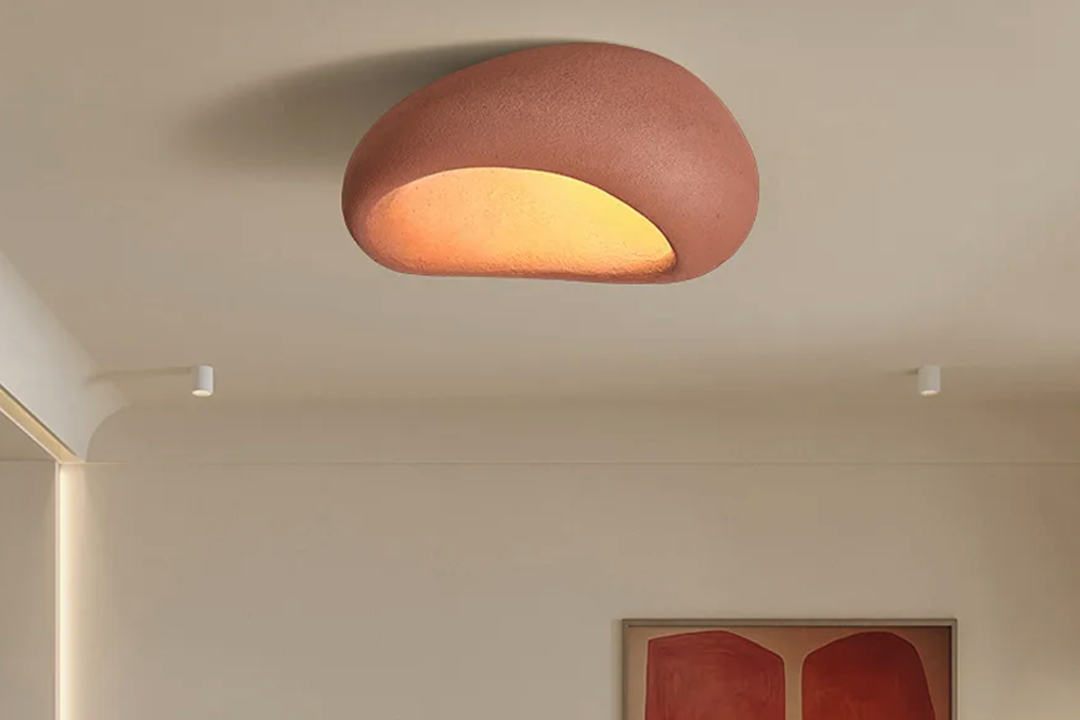
Wabi-sabi is a Japanese aesthetic philosophy that celebrates the beauty found in imperfection, transience, and the natural cycle of growth and decay. Rooted in Zen Buddhism, this concept encourages an appreciation for the simple, the rustic, and the unrefined. It invites individuals to find beauty in the mundane and to embrace the flaws that make each object unique.
The essence of wabi-sabi lies in its ability to evoke a sense of peace and tranquility, allowing one to connect with the world on a deeper level. This aesthetic is not merely about visual appeal; it encompasses a way of living that values authenticity and mindfulness. In practical terms, wabi-sabi can be observed in various aspects of life, from architecture to everyday objects.
For instance, a weathered wooden table with visible knots and scratches tells a story of its journey through time, evoking a sense of nostalgia and warmth. Similarly, handmade pottery with uneven glazes or asymmetrical shapes embodies the spirit of wabi-sabi, as each piece reflects the artisan’s hand and the natural materials used. This aesthetic encourages individuals to slow down and appreciate the fleeting moments of beauty that surround them, fostering a deeper connection to their environment.
Embracing Imperfection in Design
The principle of embracing imperfection in design is central to the wabi-sabi philosophy. In a world often dominated by mass production and perfectionism, wabi-sabi offers a refreshing alternative that values authenticity over uniformity. Designers who adopt this approach often seek out materials that exhibit natural variations, such as reclaimed wood or hand-thrown ceramics.
These materials not only add character to a space but also tell a story that resonates with those who inhabit it. By incorporating imperfections into their designs, creators can evoke emotions and create spaces that feel lived-in and welcoming. Moreover, embracing imperfection allows for greater creativity and innovation in design.
When designers let go of the constraints of perfection, they open themselves up to experimentation and exploration. This can lead to unexpected combinations of materials, colors, and forms that challenge conventional aesthetics. For example, a designer might choose to juxtapose sleek modern furniture with rustic elements like a rough-hewn wooden beam or a vintage textile.
This contrast not only highlights the beauty of each piece but also creates a dynamic visual narrative that invites curiosity and engagement.
The Appeal of Retro Resin Materials
Retro resin materials have gained popularity in recent years, particularly within the context of wabi-sabi aesthetics. These materials often evoke nostalgia for past eras while simultaneously offering a contemporary twist. The unique properties of resin allow for endless possibilities in design, from vibrant colors to intricate patterns that mimic natural elements like marble or wood grain.
This versatility makes retro resin an appealing choice for designers looking to incorporate both modernity and tradition into their work. One of the most captivating aspects of retro resin is its ability to capture and preserve organic materials, such as flowers or leaves, within its transparent depths. This technique not only showcases the beauty of nature but also aligns with the wabi-sabi philosophy by celebrating the ephemeral nature of life.
For instance, a resin table embedded with dried flowers can serve as a stunning centerpiece while reminding viewers of the fleeting beauty of blossoms. Additionally, retro resin can be molded into various shapes and forms, allowing for creative expression that resonates with both past and present design sensibilities.
Creating a Cozy Atmosphere with Ceiling Lamps
Ceiling lamps Vopdesign play a crucial role in establishing the ambiance of a space, and when designed with wabi-sabi principles in mind, they can transform an ordinary room into a cozy sanctuary. The soft glow emitted by well-crafted ceiling lamps can evoke feelings of warmth and comfort, inviting individuals to unwind and relax. Choosing lamps made from natural materials or featuring organic shapes can enhance this effect, as they resonate with the wabi-sabi ethos of simplicity and authenticity.
For example, a ceiling lamp crafted from woven rattan or bamboo can introduce an earthy texture that complements other natural elements in the room. The interplay of light and shadow created by such lamps adds depth to the space, creating an inviting atmosphere that encourages social interaction or quiet reflection. Furthermore, incorporating dimmable lighting options allows for flexibility in mood-setting, enabling individuals to tailor their environment to suit their needs at any given moment.
This adaptability is essential in creating a cozy atmosphere that feels both personal and inviting.
The Timeless Elegance of Wabi-Sabi Decor
Wabi-sabi decor embodies a timeless elegance that transcends fleeting trends and fads. By focusing on natural materials, organic forms, and handcrafted items, this style creates spaces that feel grounded and authentic. The beauty of wabi-sabi decor lies in its ability to evoke emotions through simplicity; it encourages individuals to appreciate the small details that often go unnoticed in more polished environments.
A well-placed ceramic vase with an irregular shape or a handwoven textile can serve as focal points that draw attention while simultaneously blending harmoniously with their surroundings. Incorporating wabi-sabi decor into one’s home does not require an overhaul; rather, it can be achieved through thoughtful curation of existing items. For instance, displaying a collection of vintage books with worn covers alongside handmade pottery can create an inviting vignette that tells a story about the inhabitants’ journey through life.
This approach emphasizes the importance of personal connection to objects rather than adhering strictly to design rules or trends. As such, wabi-sabi decor fosters an environment where individuals feel comfortable expressing their unique tastes while celebrating the beauty found in imperfection.
Incorporating Natural Elements into Interior Design
Integrating natural elements into interior design is fundamental to achieving a wabi-sabi aesthetic. Nature has an inherent ability to ground us and provide solace amidst the chaos of modern life. By bringing elements such as wood, stone, plants, and textiles into our living spaces, we create environments that resonate with our innate desire for connection to the earth.
For example, using reclaimed wood for flooring or furniture not only adds warmth but also tells a story about sustainability and respect for resources. Plants are another essential component of wabi-sabi design; they breathe life into spaces while reminding us of nature’s cyclical beauty. Incorporating greenery through potted plants or hanging arrangements can soften hard edges and introduce organic shapes into a room’s design.
Additionally, choosing plants that thrive in low-light conditions or require minimal maintenance aligns with the wabi-sabi philosophy by promoting simplicity and ease in care. This connection to nature fosters a sense of tranquility and balance within our homes.
The Art of Handcrafted Resin Lamps
Handcrafted resin lamps exemplify the intersection of artistry and functionality within interior design. Each lamp is unique due to the inherent variations in resin pouring techniques and the incorporation of different materials such as wood or metal accents. This individuality aligns perfectly with the wabi-sabi ethos by celebrating imperfections as part of the creative process.
Artisans who specialize in crafting resin lamps often draw inspiration from nature, resulting in pieces that reflect organic forms and colors reminiscent of landscapes or seascapes. The process of creating handcrafted resin lamps involves meticulous attention to detail and an understanding of how light interacts with different materials. For instance, when resin is poured over embedded objects like shells or stones, it captures their essence while allowing light to filter through in captivating ways.
The resulting illumination creates an enchanting atmosphere that enhances any space it occupies. By choosing handcrafted resin lamps for home decor, individuals not only support artisans but also invite unique pieces into their lives that embody both beauty and craftsmanship.
Finding Harmony in Imperfection
Finding harmony in imperfection is at the heart of wabi-sabi philosophy; it encourages individuals to embrace their flaws and appreciate the beauty inherent in life’s transience. This mindset can be transformative, allowing people to cultivate resilience and acceptance in their daily lives. By recognizing that perfection is an unattainable ideal, we can shift our focus toward gratitude for what we have—flaws included—and foster deeper connections with ourselves and others.
In practical terms, this philosophy can be applied not only to design but also to personal growth and relationships. Embracing imperfection means acknowledging our vulnerabilities and learning from our mistakes rather than striving for an unrealistic standard of perfectionism. This acceptance fosters authenticity in our interactions with others, creating spaces where individuals feel safe to express themselves without fear of judgment.
Ultimately, finding harmony in imperfection enriches our lives by encouraging us to celebrate our unique journeys while appreciating the beauty found within each moment’s fleeting nature.