
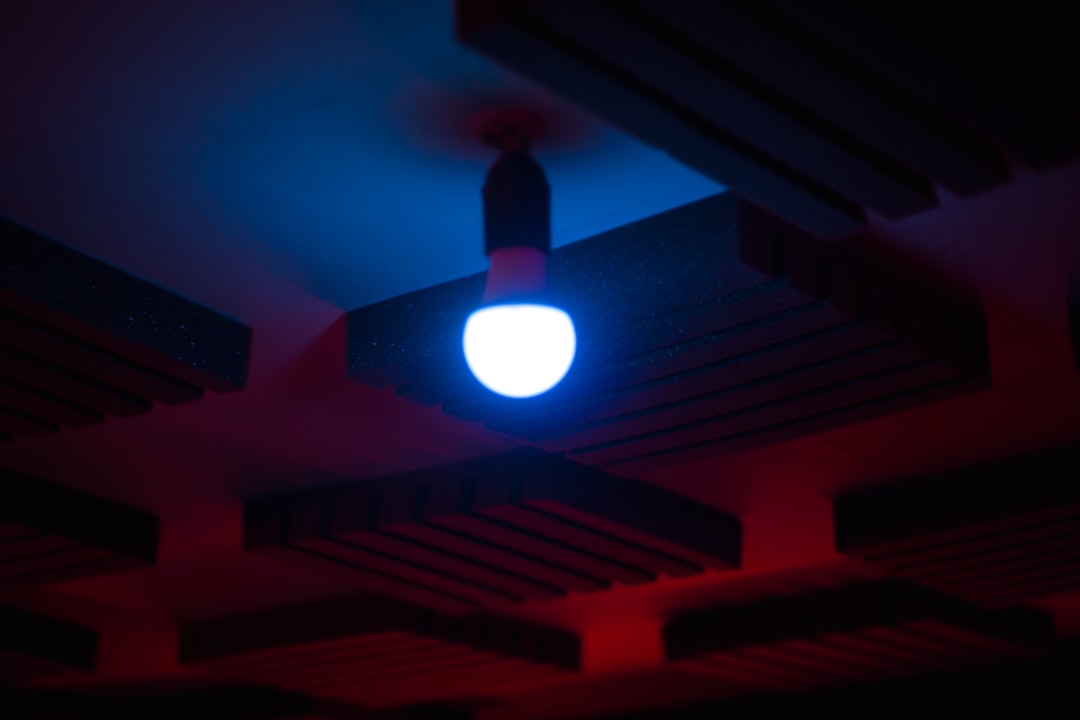
Basements often represent a largely untapped resource within a home. Their potential as functional living spaces, storage areas, or even entertainment hubs is frequently limited by their inherent architectural characteristics, notably low ceilings and a lack of natural light. To overcome these challenges and transform a basement from a dimly lit storage cavern into a usable and inviting area, lighting is paramount. Among the various lighting solutions available, low-profile LED ceiling lights offer a particularly effective and practical approach to maximizing both light output and headroom.
Low-profile LED ceiling lights are designed to be installed directly onto or recessed into a ceiling with minimal projection. This characteristic is crucial for basements where ceiling height is often a significant constraint. Traditional light fixtures, such as bulky pendant lights or surface-mounted fluorescent tubes, can make a low-ceilinged basement feel even more cramped and oppressive. Low-profile LEDs, by contrast, integrate seamlessly with the ceiling, preserving precious vertical space.
The Technology Behind Low-Profile LEDs
LED, or Light Emitting Diode, technology represents a significant advancement in lighting efficiency and longevity. Unlike incandescent bulbs, which generate light by heating a filament, LEDs produce light through the movement of electrons in a semiconductor material. This process is inherently more efficient, resulting in lower energy consumption and reduced heat generation.
Energy Efficiency Comparison
Consider an incandescent bulb that translates a large percentage of its electrical input into heat, much like a tiny, inefficient stove. LEDs, on the other hand, are far more economical, converting a much greater proportion of electricity into visible light. This translates directly into lower electricity bills, particularly when lighting a larger area like a basement. Over their lifespan, the energy savings can be substantial, making the initial investment in LED technology a financially sound decision.
Lifespan and Durability
The lifespan of an LED is measured in tens of thousands of hours, far exceeding that of traditional bulbs. This longevity means fewer replacements, reducing maintenance effort and ongoing costs. Furthermore, LEDs are solid-state devices, making them more resistant to vibrations and physical shock than fragile incandescent or fluorescent bulbs. This durability is a valuable asset in an environment like a basement, which might be subject to occasional impacts during the installation or use of storage items.
Defining “Low-Profile” in Lighting
The term “low-profile” refers to the physical dimension of the lighting fixture. For ceiling lights, this generally means a fixture that sits close to the ceiling surface. This can apply to both surface-mounted and recessed fixtures.
Surface-Mounted Low-Profile Lights
Surface-mounted low-profile lights are attached directly to the ceiling. They are often designed with a thin, unobtrusive profile that projects only a few inches from the ceiling. These fixtures are an excellent choice when the ceiling structure prevents or makes recessed installation difficult. Many modern designs are aesthetically pleasing and can provide a clean, uniform light distribution.
Recessed Low-Profile Lights (Can Lights)
Recessed low-profile lights, often referred to as “can lights” or “downlights,” are installed within a cavity in the ceiling. Special shallow housings are available specifically for low-ceiling applications. These fixtures sit flush with the ceiling surface, offering a sleek and minimalist appearance. The light is directed downwards, providing focused illumination.
Benefits of LED in Basement Applications
The inherent advantages of LED technology are particularly magnified in the context of basement renovations.
Reduced Heat Output
Basements, especially those without significant ventilation, can already be prone to retaining heat and humidity. Traditional lighting, like incandescent bulbs, contributes to this by releasing a considerable amount of heat. LEDs, in contrast, produce very little heat. This can contribute to a more comfortable environment in the basement, reducing the burden on air conditioning systems and mitigating potential issues with moisture accumulation.
Uniform Light Distribution
Low-profile LED fixtures, particularly those with wider beam angles, are adept at providing a more uniform and consistent spread of light across a room. This is essential in a basement where patchy lighting can create dark corners and make the space feel smaller and more unwelcoming. The goal is to eliminate shadows and create an evenly illuminated environment, akin to natural daylight as much as possible.
Maximizing Headroom with Low-Profile Designs
The most significant advantage of low-profile LED ceiling lights for basements lies in their ability to preserve headroom. This is a critical consideration, as basements are often characterized by lower ceiling heights than the main floors of a house.
The Illusion of Space
When a basement has limited vertical space, every inch counts. Traditional hanging fixtures can dramatically reduce the perceived and actual headroom, making the space feel claustrophobic. Low-profile LEDs, by sitting flush with or very close to the ceiling, minimize this intrusion. This creates an illusion of greater height, making the basement feel more open and airy. Imagine trying to navigate a room with a low-hanging chandelier versus one with lights that are a mere whisper away from the ceiling – the latter feels much more expansive.
Practical Clearance and Movement
Beyond the aesthetic, sufficient headroom is essential for practical use. Low-profile lighting ensures that occupants can move freely without the constant concern of bumping their heads on fixtures. This is particularly important if the basement is intended for activities that involve standing for extended periods, such as a home office, a workshop, or a play area for children. It removes a subtle but persistent psychological barrier to enjoying the space.
Installation Considerations for Slim Fixtures
The slim nature of low-profile LEDs also simplifies installation in cases where ceiling joists or existing ductwork might obstruct deeper fixtures. Many modern low-profile designs are engineered for easier integration within shallower ceiling plenums, making them a more versatile lighting solution for basements with complex overhead structures.
Light Quality and Color Temperature
Beyond their physical form, the quality of light emitted by LEDs is a crucial factor in creating a desirable basement environment. Color temperature and lumen output play significant roles in how a space is perceived.
Understanding Color Temperature (Kelvin)
Color temperature, measured in Kelvin (K), describes the appearance of the light source. It ranges from warm to cool.
Warm White (2700K – 3000K)
This range mimics the color of incandescent bulbs, offering a cozy and inviting ambiance. It is often preferred for living areas and bedrooms where relaxation is desired. In a basement, warm white can help to counteract the natural coolness of the space and make it feel more comfortable and homey.
Neutral White (3500K – 4000K)
Often referred to as “daylight” or “cool white,” this temperature range is balanced and crisp. It is ideal for task lighting, kitchens, and bathrooms, providing good color rendering and a sense of alertness. In a basement utility area, workshop, or home office, neutral white can enhance visibility and reduce eye strain.
Cool White/Daylight (5000K and above)
This range offers a very bright, bluish light that closely resembles natural daylight. While it can be excellent for areas requiring maximum visibility, such as garages or certain workspaces, it can sometimes feel too stark or sterile for general living spaces within a basement.
Lumen Output: The Brightness Factor
Lumen output directly correlates to the brightness of the light. The appropriate lumen level for a basement will depend on its intended use and the overall square footage.
Calculating Lumen Needs
As a general guideline, consider the intended function of the room. For general living areas, aim for around 20-30 lumens per square foot. For task-oriented areas like a home office or kitchen, this can increase to 50-80 lumens per square foot. For storage areas, 10-20 lumens per square foot might suffice. However, it’s often better to err on the side of slightly more light, as it can always be dimmed.
Achieving Uniform Luminosity
The placement and number of low-profile LED fixtures are critical for achieving uniform luminosity. Over-reliance on a few high-lumen fixtures can create a spotty effect, leaving some areas over-illuminated and others in shadow. A strategic layout ensures that the light is distributed evenly throughout the space.
Color Rendering Index (CRI)
The Color Rendering Index (CRI) measures how accurately a light source reveals the true colors of objects compared to a natural light source. A CRI of 80 is generally considered good, while a CRI of 90 or above is excellent and often preferred for spaces where color accuracy is important, such as a hobby room or art studio.
Design and Aesthetics of Low-Profile LED Fixtures
The perceived drabness of basements is often amplified by uninspired or outdated lighting. Low-profile LED ceiling lights have evolved considerably in their design, offering a range of styles that can enhance the overall aesthetic of a renovated basement.
Modern and Minimalist Styles
Many low-profile LED fixtures are designed with a sleek, minimalist aesthetic in mind. Their inherent discreteness allows them to blend seamlessly with contemporary ceiling designs. Think of a smooth, unadorned disk or a clean rectangular panel. These fixtures eschew excessive ornamentation, focusing instead on functionality and unobtrusive integration. They are like well-tailored clothing – they fit perfectly without drawing undue attention.
Slim Panel Lights
These are thin, flat panels that can provide broad, diffused illumination. They are available in various shapes and sizes and can be mounted directly on the surface or, in some cases, can be integrated into a suspended ceiling grid.
Circular and Square Flush Mounts
These are perhaps the most common type of low-profile surface-mounted fixtures. They are simple, effective, and can be installed in a pattern to provide consistent lighting.
Integration with Interior Design
Low-profile LEDs are not just functional; they can be a deliberate design choice. Their ability to disappear into the ceiling makes them ideal for situations where the focus is on other architectural features or furnishings.
Avoiding Visual Clutter
In a space often used for storage, avoiding further visual clutter is paramount. Low-profile lights contribute to a cleaner, more organized look by eliminating the visual disruption of bulky fixtures.
Creating Accent Lighting Possibilities
While primarily used for general illumination, some low-profile LED systems can be configured for accent lighting. By using directional light sources or adjustable fixtures, certain features within the basement can be highlighted, adding depth and visual interest.
Dimmer Compatibility
A significant advantage of many LED fixtures, including low-profile options, is their compatibility with dimmers. This allows for adjustable light levels, enabling the user to tailor the ambiance of the basement to different activities and times of day. This transforms a single lighting solution into a dynamic one, capable of shifting from bright task lighting to a soft, ambient glow.
Installation and Practical Considerations
The installation of low-profile LED ceiling lights is generally straightforward, but certain aspects warrant careful consideration to ensure optimal results.
Surface vs. Recessed Installation
The choice between surface-mounted and recessed installation depends largely on the existing ceiling structure and the desired aesthetic.
Surface-Mounted Installation
This is typically the simpler option, requiring less structural modification. It involves attaching the fixture directly to the ceiling surface. Ensure the ceiling material is capable of supporting the fixture’s weight.
Recessed Installation
This method offers a cleaner, more integrated look but requires a suitable ceiling cavity. For basements, specialized shallow housings are often necessary if overhead obstructions limit the depth of the recessed space. This might involve cutting holes for the fixtures and ensuring proper clearance for the electrical connections and heat dissipation, even though LEDs generate less heat.
Wiring and Electrical Codes
As with any electrical work, adherence to local building codes and regulations is essential.
Professional Installation
For those unfamiliar with electrical wiring, engaging a qualified electrician is highly recommended. They will ensure the installation is safe, compliant, and efficient. Incorrect wiring can lead to system failures, safety hazards, and voided warranties.
Circuit Load and Compatibility
Ensure that the electrical circuit intended for the new lighting can handle the load of the LED fixtures. While LEDs are energy-efficient, installing a large number of fixtures might still require attention to circuit capacity, especially if other high-draw appliances are on the same circuit.
Maintenance and Longevity
One of the key selling points of LEDs is their low maintenance requirement.
Cleaning and Dusting
The primary maintenance will involve occasional cleaning of the fixture covers to remove dust, which can slightly dim the light output.
Bulb Replacement (Rare)
Due to their exceptionally long lifespan, replacing LED bulbs is a rare occurrence. When it does happen, it is typically a matter of replacing the entire fixture or a specific LED module, depending on the design. This contrasts sharply with the frequent replacement of incandescent or fluorescent bulbs.
By understanding the nuances of low-profile LED ceiling lights, homeowners can effectively upgrade their basements, transforming overlooked spaces into functional and aesthetically pleasing areas. The combination of preserved headroom, energy efficiency, and customizable light quality makes this a compelling solution for any basement renovation project.