
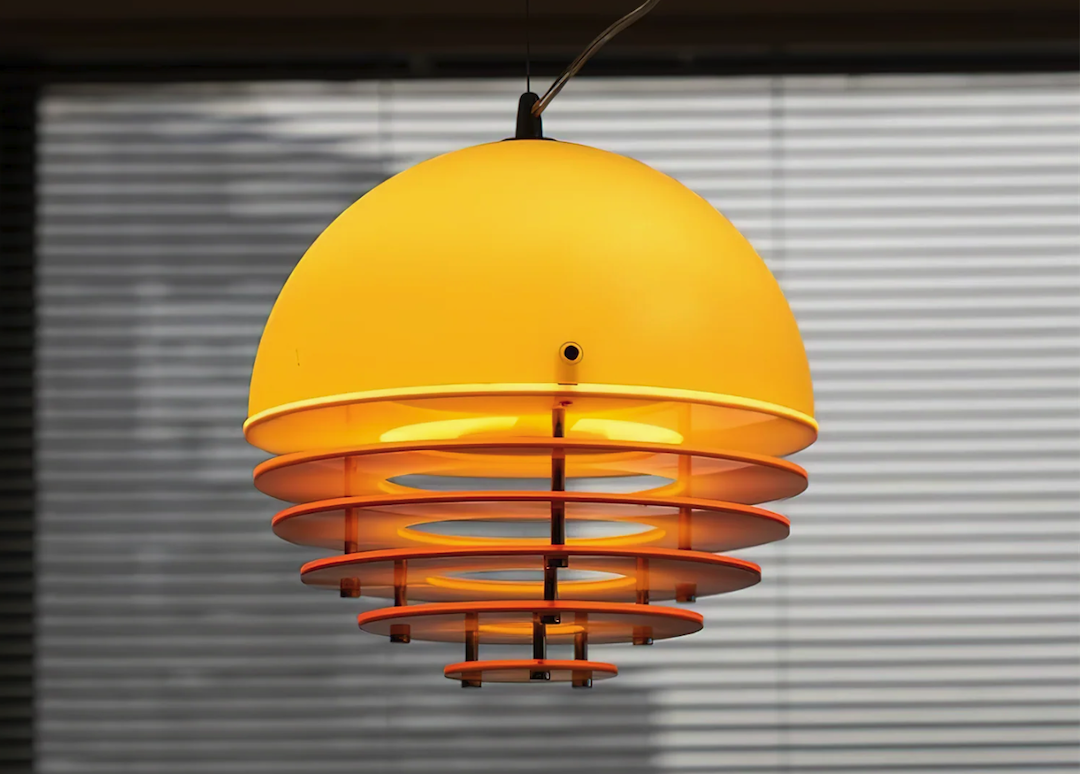
The “Sunset Vibe: Modern Apartment Balcony Light” refers to a specific category of outdoor lighting solutions designed for apartment balconies, with a primary focus on aesthetics that evoke the warm, calming, and often artistic qualities of a sunset. These lighting fixtures are not merely functional illuminating devices; they are integral components of a curated outdoor living space, contributing to ambiance, comfort, and the overall user experience. This article explores the characteristics, types, functional aspects, and considerations for implementing such lighting in a modern apartment dwelling.
The core purpose of Sunset Vibe lighting is to transform a balcony from a utilitarian extension of an apartment into a habitable, inviting, and aesthetically pleasing outdoor room, particularly during evening hours. While providing necessary illumination for visibility and safety, its primary objective extends to mood creation. The “sunset vibe” component emphasizes warm color temperatures, often in the range of 2200K to 3000K, and diffused light patterns that mimic the soft glow of a setting sun. This contrasts with more stark, functional lighting often found in public spaces or purely task-oriented environments.
Ambiance and Mood Creation
- Psychological Impact: Warm light Enconco is scientifically linked to feelings of relaxation, comfort, and sociability. It reduces visual strain and can promote a sense of well-being, contrasting with cooler, bluer light which can stimulate alertness. For a balcony – a space often used for unwinding – this psychological effect is paramount.
- Visual Aesthetics: The carefully selected light sources and their placement contribute to the visual appeal of the balcony itself and, by extension, the apartment’s overall aesthetic. These lights are often designed to be attractive even when not illuminated, serving as decorative elements during the day.
Extending Living Space
- Usability After Dark: By providing adequate and pleasant illumination, the balcony becomes a usable space beyond daylight hours. This effectively extends the living area of an apartment, offering an outdoor sanctuary for dining, reading, socializing, or simply observing the urban landscape.
- Connection to Nature: Even in an urban setting, a well-lit balcony can foster a sense of connection to the outdoors, allowing residents to experience the evening air and views in a comfortable and thoughtfully lit environment.
Key Characteristics
Sunset Vibe balcony lights are distinguished by several key characteristics that collectively contribute to their specific aesthetic and functional goals. These attributes differentiate them from generic outdoor lighting options.
Color Temperature
- Warm Tones: A defining feature is the preference for warm color temperatures, typically ranging from 2200 Kelvin (K) to 3000K. This range produces light that is perceived as soft white, golden, or amber, closely mirroring the natural hues of a sunset.
- Avoidance of Cool Tones: Cool white or daylight-mimicking temperatures (above 4000K) are generally avoided as they disrupt the desired “sunset vibe” and can create a more sterile or utilitarian atmosphere, unsuitable for relaxation.
Light Diffusion and Distribution
- Soft and Even Illumination: The light emitted is typically diffused, avoiding harsh spotlights or intense glare. This is achieved through various means, such as frosted shades, indirect lighting techniques, or multiple low-wattage sources.
- Layered Lighting: Effective Sunset Vibe installations often employ a layering approach, combining ambient light for overall brightness, accent lighting to highlight features, and sometimes task lighting for specific activities. This layering creates depth and visual interest.
- Directional Control: While diffuse, some fixtures allow for subtle directional control, enabling users to direct light away from neighboring apartments or towards specific elements like plants or artwork.
Materials and Design
- Modern Aesthetics: The design of these lights often aligns with modern architectural principles, featuring clean lines, minimalist forms, and durable materials. They are intended to complement contemporary apartment designs.
- Weather Resistance: As outdoor fixtures, they are constructed from materials resistant to the elements, including rain, UV radiation, and temperature fluctuations. Common materials include marine-grade stainless steel, aluminum, treated wood, and weather-resistant polymers.
- Integration with Balcony Decor: The design often considers how the fixture will integrate with other balcony elements such as furniture, planters, and railing styles, aiming for a cohesive aesthetic.
Types of Sunset Vibe Lighting Fixtures
The market offers a diverse range of fixtures suitable for creating a Sunset Vibe. Understanding these categories is crucial for selecting the most appropriate lighting for a given balcony.
String Lights (Fairy Lights / Café Lights)
- Flexibility and Versatility: String lights are highly popular for their ease of installation and ability to create a festive or cozy atmosphere. They consist of multiple small bulbs strung along a cable.
- Bulb Types: Available with traditional incandescent filaments (which naturally produce a warm glow) or LED bulbs that mimic this warmth. Edison-style LED bulbs are particularly common for achieving a vintage, warm aesthetic.
- Placement: Can be draped along railings, across ceilings, zig-zagged, or hung vertically to create a curtain effect. Their versatility allows for creative light patterns.
Wall-Mounted Fixtures
- Uplights/Downlights: These fixtures are attached directly to the exterior wall of the apartment or the balcony structure. Uplights direct light upwards, downlights direct it downwards, and some provide both. They offer indirect illumination that reduces glare.
- Sconces: Decorative wall-mounted lights that provide ambient illumination. They often feature shades that diffuse the light and are designed to be visually appealing.
- Functional and Decorative: Wall-mounted fixtures serve both functional (providing general illumination) and decorative purposes, contributing to the architectural lines of the balcony.
Floor and Table Lamps
- Portability and Flexibility: Outdoor-rated floor and table lamps offer the advantage of portability, allowing residents to rearrange their lighting setup as needed. They are ideal for creating intimate zones.
- Rechargeable Options: Many modern outdoor lamps are battery-powered and rechargeable, eliminating the need for accessible power outlets and increasing placement flexibility.
- Feature Lighting: Can be used to highlight specific areas, such as a seating arrangement, a planter, or a decorative element.
Integrated Railing and Planter Lighting
- Subtle and Seamless: This category includes LED strips or small, discreet fixtures integrated directly into the balcony railings or along the edges of planters. They provide subtle, non-intrusive illumination.
- Architectural Enhancement: Integrated lighting emphasizes the architectural features of the balcony itself, highlighting its structure without overwhelming the space with visible fixtures.
- Safety and Navigation: Can also serve a practical purpose by illuminating pathways or railing edges, improving safety during nighttime use.
Projectors and Spotlights (Low Wattage)
- Accent and Feature Lighting: Small, low-wattage projectors or spotlights can be used strategically to highlight specific features, such as a piece of outdoor art, a unique plant, or a textured wall.
- Controlled Beam: These fixtures offer more controlled beam angles, allowing for precise light placement to create dramatic effects or draw attention to focal points.
- Color-Changing Options (Warm Focus): While some projectors offer a full spectrum of colors, those suited for a “sunset vibe” would typically be programmed to stick to the warm end of the spectrum, with reds, oranges, and warm yellows.
Functional Considerations
Beyond aesthetics, the practical functionality of balcony lighting is crucial. These considerations ensure safety, efficiency, and convenience.
Power Source
- Wired Electrical Outlets: The most reliable and consistent power source. Requires professional installation for new outlets or reliance on existing ones.
- Solar Powered: Environmentally friendly and offers placement flexibility without wiring. However, performance is dependent on sun exposure and battery life. Modern solar panels are increasingly efficient.
- Battery Operated (Rechargeable): Provides ultimate portability. Ideal for temporary setups or supplemental lighting. Requires periodic recharging.
Durability and Weather Resistance
- IP Ratings: Ingress Protection (IP) ratings are critical for outdoor lighting. An IP rating indicates a fixture’s resistance to solids (dust) and liquids (water). For balconies, look for ratings like IP44 (splash resistant) or higher for more exposed areas (e.g., IP65 meaning dust tight and protected against jetting water).
- Material Longevity: Materials should be resistant to corrosion, UV degradation, and temperature extremes common in the local climate.
Control Mechanisms
- Manual Switches: Simplest form of control, requiring physical interaction with a switch.
- Dimmer Switches: Essential for adjusting the intensity of light to match the desired mood. Dimmable fixtures enhance the “sunset vibe” by allowing subtle changes.
- Timers and Sensors: Automate lighting operation. Timers can turn lights on/off at specific times, while dusk-to-dawn sensors automatically activate lights when ambient light levels drop.
- Smart Home Integration: Integration with smart home systems allows for remote control via smartphone apps, voice commands, and programmable scenes that can include light temperature and brightness adjustments. This provides convenience and enhanced customization.
Energy Efficiency
- LED Technology: Light Emitting Diodes (LEDs) are the industry standard for energy-efficient lighting. They consume significantly less power and have a much longer lifespan than traditional incandescent bulbs.
- Lumens per Watt: When comparing fixtures, consider the lumens per watt (lm/W) rating, which indicates how efficiently the fixture converts electrical energy into light. Higher values indicate greater efficiency.
Installation and Placement Strategies
Effective placement and installation are paramount for achieving the desired Sunset Vibe and maximizing the functionality of the lighting.
Layering Light
- Ambient Lighting: Provides general, overall illumination. This might come from string lights, wall sconces, or integrated railing lights. It forms the base layer of illumination.
- Accent Lighting: Draws attention to specific features. This could be small spotlights on plants, uplights highlighting a textured wall, or subtle lights beneath furniture.
- Task Lighting: Provides focused light for specific activities, though less common on balconies focused on ambiance. An example might be a portable table lamp for reading.
Avoiding Glare
- Indirect Illumination: Utilize fixtures that bounce light off surfaces rather than directly into the eyes. This creates a softer, more diffused light.
- Shielding: Ensure light sources are shielded or recessed to prevent direct line of sight to the bulb, which can be uncomfortable and detract from the ambiance.
- Downward-Facing Fixtures: Prioritize fixtures that direct light downwards, especially for general illumination, to avoid light pollution and maintain a comfortable visual field.
Safety Considerations
- Electrical Safety: All electrical installations must adhere to local building codes and safety regulations. For wired fixtures, professional installation is often recommended.
- Secure Mounting: Fixtures must be securely mounted to withstand wind, vibration, and accidental impacts.
- Cable Management: All cables should be neatly routed, secured, and protected from damage or tripping hazards. Outdoor-rated cables are essential.
Maintenance
While modern outdoor lighting is designed for durability, regular maintenance is still important to ensure longevity and optimal performance.
Cleaning
- Regular Wiping: Periodically wipe down fixtures with a damp cloth to remove dust, dirt, and bird droppings.
- Gentle Cleaners: Use mild, non-abrasive cleaners to avoid damaging finishes or protective coatings. Avoid harsh chemicals that can strip weather-resistant layers.
Bulb Replacement
- LED Longevity: LED bulbs have significantly longer lifespans, reducing the frequency of replacement. However, they are not immortal and eventually degrade.
- Matching Specifications: When replacing bulbs, ensure they match the fixture’s specifications for wattage, base type, and critically, color temperature to maintain the desired aesthetic.
Inspection
- Check for Damage: Regularly inspect fixtures, wiring, and mounting points for signs of corrosion, cracks, loose connections, or weather-related damage.
- Seal Integrity: Examine seals and gaskets to ensure they remain intact and continue to protect internal components from moisture ingress.
By carefully considering these aspects, apartment dwellers can effectively implement a “Sunset Vibe: Modern Apartment Balcony Light” scheme that transforms their outdoor space into a functional, beautiful, and inviting extension of their home. This type of lighting acts as an atmospheric agent, capable of influencing mood and perceptions, turning a simple balcony into a canvas for evening relaxation and enjoyment.