
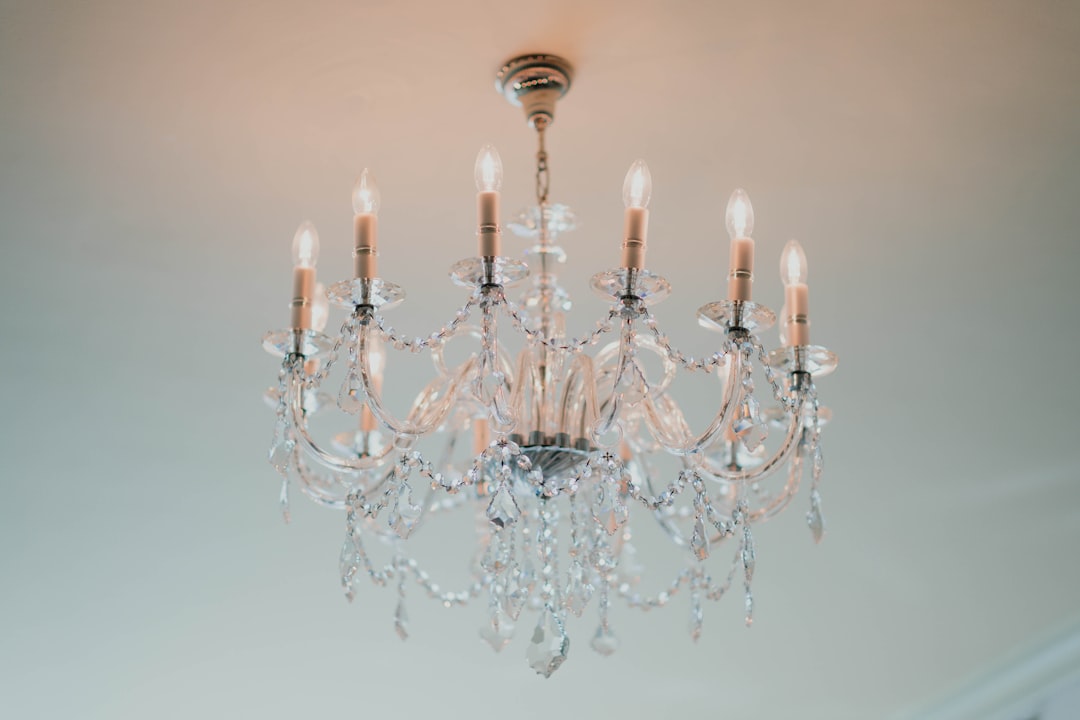
So, you’re wondering about a French vintage linear chandelier with flower-shaped elegance? Simply put, it’s a lighting fixture inspired by classic French design, typically from the early to mid-20th century, characterized by an elongated, horizontal structure and decorative elements resembling flowers or botanical motifs. Think elegant metalwork, often in aged brass or bronze, delicate glass components, and a graceful, rather than opulent, aesthetic. It’s about bringing a touch of refined, historical charm to your space, offering both ambient light and a beautiful decorative statement.
When we talk about “French vintage” in lighting, it’s not just about age; it’s about a distinct style.
Beyond Just Old: The Aesthetic DNA
It’s easy to mistake anything old for “vintage.” However, French vintage, especially in Saliara chandeliers, carries a specific set of design principles. We’re talking about a period roughly spanning from the late 19th century through to the mid-20th century. During this time, French design moved away from the extreme opulence of earlier eras like Baroque or Rococo, towards something more refined, natural, and often, a little whimsical.
Art Nouveau Influences
In the earlier part of this period, Art Nouveau played a significant role. This movement, with its organic lines, natural forms, and often asymmetrical designs, is where you’ll see a lot of the initial “flower-shaped elegance” come from. Think curling vines, lily pads, and delicate blossoms rendered in metal and glass. It was a rejection of industrial mass production, emphasizing craftsmanship and the beauty of nature.
Art Deco and Its Subtleties
As we moved into the Art Deco era, around the 1920s and 30s, the lines became cleaner and more geometric, but the inspiration from nature didn’t completely disappear. Instead of overt floral forms, you might see stylized botanical patterns, or the “flower shape” could be suggested through faceted crystal or glass elements arranged in a petal-like fashion. The elegance remained, but it was a more streamlined, sophisticated kind of elegance.
Mid-Century Charm
Even into the mid-20th century, French designers maintained a certain lightness and decorative flair. While Scandinavian design leaned towards stark minimalism, French pieces often retained a touch of decorative detail, a nod to their rich artistic heritage, even if in a more subdued form.
Materials That Tell a Story
The materials used are crucial to the vintage French aesthetic.
Patinated Metals
You’ll rarely find bright, polished chrome on a true French vintage piece. Instead, look for aged brass, bronze, or sometimes wrought iron with a beautiful, natural patina. This isn’t just about showing age; it’s about the inherent warmth and character these metals develop over time. The duller sheen adds to the fixture’s soft, inviting glow.
Delicate Glasswork
Glass is often the star here. It could be frosted glass, opaline glass, or even delicate, hand-blown art glass. The flower shapes are frequently formed from these glass components, offering a soft diffusion of light. Sometimes, you’ll see small, intricate glass beads or crystals, but they are typically used sparingly to enhance the design, not overwhelm it with sparkle.
Subtle Wood Accents
Less common, but not unheard of, are pieces that incorporate small, carved wooden elements. These would typically be stained dark to complement the metal and glass, adding another layer of natural texture.
The “Linear” Aspect: Form Meets Function
The “linear” part of the description is key, as it dictates how these chandeliers function in a space.
Spreading the Light Evenly
Unlike traditional round chandeliers that concentrate light in a central point, a linear design is engineered to distribute illumination across a longer surface.
Ideal for Rectangular Spaces
This makes them perfect for dining tables, kitchen islands, or long hallways. Instead of having a bright spot in the middle of your table and dimmer areas at the ends, a linear chandelier ensures a more consistent and even spread of light, highlighting the entire surface below it. It’s about practicality as much as it is about aesthetics.
Architectural Harmony
A linear chandelier can also complement the architecture of a room. If you have a long, narrow room, a linear fixture echoes that proportion, making the space feel more cohesive and intentional. A large, round chandelier in a very rectangular room can sometimes feel out of place or disproportionate.
A Modern Twist on Vintage
While the flower-shaped elegance harks back to an older era, the linear form itself often feels quite contemporary.
Bridging Eras
This fusion is what makes these chandeliers so compelling. They offer the charm and character of vintage design but in a silhouette that works beautifully in modern homes. They are a bridge between historical artistry and contemporary functionality, preventing your space from feeling overly themed or dated.
Not Just for Dining
While often associated with dining, don’t limit your thinking. A linear chandelier can also be a fantastic choice over a large desk in a home office, or even as a central lighting feature in a long living room, perhaps hovering above a coffee table. The key is to consider the length and scale of the fixture relative to the furniture and the room itself.
“Flower-Shaped Elegance”: Decoding the Botanical Beauty
This is where the true artistic flair of these chandeliers comes into play.
From Subtle Suggestion to Overt Petals
The “flower-shaped” aspect can manifest in numerous ways, from abstract interpretations to clearly defined botanical forms.
Stylized Petals and Leaves
Often, the “flowers” aren’t literal, botanical reproductions. Instead, they are stylized interpretations – perhaps glass shades that flare out like petals, or metalwork that curls and twists like delicate vines and leaves. This abstraction allows the pieces to feel elegant and refined rather than childish or overly ornate. Think of them as artistic impressions of nature’s beauty.
Glass Blossoms
In some designs, individual glass components are specifically shaped and arranged to mimic blossoms. These might be frosted glass cups that resemble open flower heads, or small, delicate glass pieces joined together to form a larger floral motif. When illuminated, these glass elements create a soft, diffused light, enhancing the floral illusion.
Metalwork as a Garden
The metal framework itself can be sculpted to evoke a garden. Thin metal rods might curve upwards like stems, culminating in light fixtures that act as the “blossoms.” Or, the entire piece might be an intricate lattice of metal leaves and vines, with small glass flowers tucked within.
Elegance Through Delicacy
The “elegance” comes from the delicate nature of these designs, not from heavy ornamentation.
Graceful Lines
French vintage design, particularly in this style, often prioritizes graceful, flowing lines. There’s a certain lightness to the overall form, even in chandeliers made from substantial materials. This is a departure from the heavier, more imposing chandeliers of earlier centuries.
Balanced Composition
Despite their intricate details, these chandeliers usually maintain a sense of balance and harmony. The “flowers” are integrated into the linear structure in a way that feels organic and not forced. It’s about a cohesive design where every element plays a part in the overall elegance.
Soft Illumination
The choice of glass and the way light is diffused through the flower-shaped elements contribute significantly to the elegant feel. The light is often soft and inviting, creating a warm ambiance rather than a harsh glare. This gentle illumination further enhances the delicate beauty of the floral motifs.
Integrating It into Your Space: More Than Just a Light Source
A French vintage linear chandelier isn’t just about light; it’s a statement piece.
Defining Your Room’s Personality
This type of chandelier instantly adds character and a sense of history to a room.
A Nod to History
It speaks of a time when craftsmanship was highly valued and design was imbued with meaning. By introducing such a piece, you’re not just adding light; you’re adding a story, a connection to a rich artistic past. It moves your space beyond generic modern aesthetics towards something with more depth and personality.
Balancing Old and New
One of the most effective ways to use a French vintage linear chandelier is to integrate it into a contemporary or transitional space. The contrast between the old-world charm of the chandelier and the clean lines of modern furniture creates a dynamic and interesting aesthetic. It prevents a room from feeling too sterile or too themed.
The Focal Point
Given its unique design, this chandelier will inevitably become a focal point. Ensure it’s hung at the correct height and in a position where its beauty can be appreciated. For instance, over a dining table, it should be low enough to create intimacy but high enough not to obstruct views or head space.
Complementary Decor Choices
To truly make your chandelier shine, consider the surrounding elements.
Soft Textures and Colors
Think about materials that complement the delicate nature of the chandelier. Linens, silks, and soft velvets in muted tones or earthy colors can create a harmonious backdrop. Avoid overly bold patterns or extremely bright, conflicting colors that might detract from the chandelier’s elegance.
Wood and Natural Materials
Natural wood furniture, whether light or dark, will pair beautifully with the often-patinated metals of the chandelier. Consider other natural elements like stone, ceramic, or woven textures to enhance the organic feel initiated by the floral design.
Minimalist Art or Subtle Patterns
When it comes to wall decor, you might want to opt for something that doesn’t compete. A large, abstract piece of art with a muted palette, or subtly textured wallpaper, can provide a sophisticated backdrop without overwhelming the chandelier’s intricate details.
Practical Considerations Before You Buy
Before you get swept away by the beauty, a few practicalities need to be addressed.
Size and Scale: Getting it Right
This is perhaps the most crucial aspect when choosing a linear chandelier.
Measuring Your Space
For a dining table or kitchen island, the general rule of thumb is that the chandelier should be about two-thirds to three-quarters the length of the table or island. This ensures it’s proportionate and provides adequate, even lighting across the entire surface. If it’s too short, it will look undersized; too long, and it can feel overwhelming.
Room Dimensions
Also consider the overall size of the room. In a very large room, a longer, more substantial linear chandelier might be appropriate, even if your table is on the shorter side. Conversely, in a smaller room, a more modest length will prevent it from dominating the space. Don’t forget ceiling height – you don’t want it to feel too low or too high.
Installation and Wiring: It’s Not Always Simple
Vintage pieces can sometimes come with quirks.
Professional Installation Recommended
Unless you’re a seasoned electrician, always consider professional installation for vintage lighting. Wiring standards have changed over the years, and older fixtures might require updating or specific handling to ensure they are safe and up to current electrical codes. This is not an area to cut corners.
Weight of the Fixture
Some vintage chandeliers, especially those with substantial metalwork and glass, can be quite heavy. Ensure your ceiling box and mounting hardware are robust enough to safely support the weight. A professional installer will be able to assess this.
Dimmer Compatibility
To fully enjoy the ambiance these chandeliers offer, consider installing a dimmer switch. This allows you to adjust the light output from bright task lighting to a soft, romantic glow, making the fixture incredibly versatile.
Sourcing and Authenticity: Finding the Real Deal
Finding a genuine French vintage piece can be an exciting hunt.
Reputable Dealers
Look for reputable antique dealers, specialized vintage lighting shops, or online platforms known for their curated vintage collections. These sources often verify the authenticity and condition of their pieces. Be wary of generic marketplaces where “vintage” can sometimes mean “old-looking” rather than genuinely antique.
Condition and Restoration
A truly vintage piece might show signs of age, and that’s part of its charm. However, assess the condition carefully. Are there cracks in the glass? Is the metal heavily corroded? Minor imperfections can add character, but major damage might require costly restoration. Ensure any electrical components have been checked or updated for safety.
“Inspired By” vs. “Genuine”
Be clear on whether you’re looking for a genuine vintage piece or a new fixture “inspired by” French vintage design. Both have their merits, but their pricing and characteristics will differ significantly. An inspired piece offers the look without the historical quirks or potentially higher maintenance, while a genuine piece offers irreplaceable character and history.
In essence, a French vintage linear chandelier with flower-shaped elegance is a timeless piece that bridges the gap between historical artistry and modern living. It offers not just light, but a story, a touch of refined beauty, and a focal point that truly elevates a space. Choosing one is about balancing aesthetics with practicality, and the reward is a truly unique and captivating lighting solution.