
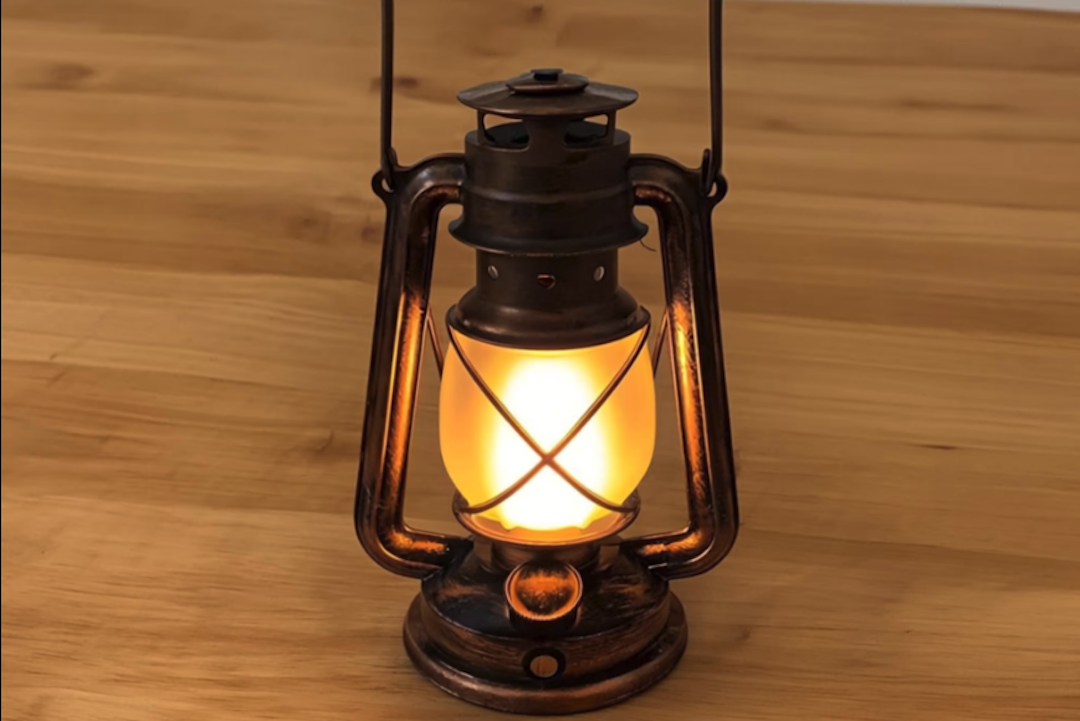
You’re looking for a lighting option that brings a bit of nostalgic charm without the fuss of actual kerosene? The vintage hurricane kerosene-style electric lamp fits that bill nicely. It’s essentially a decorative electric lamp designed to mimic the appearance of traditional oil lamps, offering a warm glow and a classic aesthetic without the safety concerns or maintenance of burning fuel. Think of it as capturing the look and feel people associate with vintage hurricane lamps, but with the convenience of just plugging it in.
The allure of the vintage hurricane kerosene lamp Unilamplighting is undeniable. There’s a certain romance and practicality associated with these old-fashioned lights. They evoke images of cozy evenings, simpler times, and a warm, diffused light that’s easy on the eyes. However, actually using a kerosene lamp today comes with a set of considerations that might not fit everyone’s lifestyle. This is where the electric version shines – pun intended.
The Appeal of the Aesthetic
Let’s be honest, a big part of the draw is how they look. The clear glass chimneys, often with fluted or decorative tops, the sturdy metal bases, and the overall robust construction harken back to a different era.
- Nostalgia Factor: These lamps tap into a collective memory of warmth and comfort. They can trigger feelings of nostalgia even if you never personally used a kerosene lamp.
- Decorative Versatility: They blend well with a wide range of decor styles, from farmhouse and rustic to Victorian and even some modern eclectic looks. They add character and a focal point that a standard lamp might not.
- Soft, Diffused Light: Traditional kerosene lamps produced a soft, ambient light that wasn’t harsh. The electric versions aim to replicate this, often using frosted glass shades or lower wattage bulbs to achieve a similar warm glow.
Safety First, Always
This is perhaps the most significant advantage of opting for an electric imitation. Kerosene lamps, while beautiful, carry inherent risks.
- Fire Hazard: The open flame and flammable fuel are a constant concern. Spills, tipping, or faulty components can quickly escalate into a serious fire.
- Fumes and Soot: Burning kerosene releases fumes and soot, which can be unpleasant, unhealthy, and leave a residue on surfaces. Proper ventilation is crucial, and even then, it’s not ideal for enclosed spaces.
- Maintenance Hassles: Refilling fuel, trimming wicks, cleaning glass chimneys that get blackened with soot – it all adds up to a level of upkeep that many people simply don’t have time for or want to deal with.
Convenience is Key
The electric hurricane lamp removes all these drawbacks and replaces them with plug-and-play simplicity.
- Just Plug It In: No fuel to buy, no wicks to trim, no messy refills. You simply find a suitable spot, plug it in, and flick a switch.
- Consistent Brightness: The light output is consistent and not dependent on the fuel level or wick condition.
- Easy to Move: Since there’s no flammable liquid inside, they are generally lighter and safer to transport from room to room as needed.
What Exactly IS a Vintage Hurricane Kerosene-Style Electric Lamp?
To clarify, when we talk about these lamps, we’re not discussing original kerosene lamps that have been retrofitted with electric bulbs. While that’s a DIY project some people undertake, the lamps we’re focusing on are designed and manufactured as electric lamps from the outset, but their styling is heavily influenced by classic kerosene hurricane lamps.
Design Deconstruction
The core elements are what give them their distinctive look:
- The Chimney: This is the most defining feature. It’s typically made of clear or sometimes frosted glass, shaped like the chimney of an oil lamp, designed to fit over the “burner” area.
- The Base: This usually houses the electrical components, including the socket for the bulb and the switch. Bases can be made from various materials, including brass, copper, cast iron, or even decorative glass. They often mimic the weight and stability of their kerosene predecessors.
- The “Burner” Area: This is where the magic happens electrically. Instead of a wick holder and fuel reservoir, you’ll find the light bulb socket and the switch mechanism. Sometimes, decorative elements resemble the old brass burner assemblies.
- Power Cord: A discreet power cord emerges from the base, allowing you to connect to a standard electrical outlet.
Variations on a Theme
While the core concept remains the same, you’ll find a surprising variety in how these lamps are styled.
- Material Finishes: Bases can come in polished brass, antique brass, oil-rubbed bronze, brushed nickel, and even painted finishes to match specific decor.
- Shade Types: While many feature clear glass chimneys, you might also find them with frosted glass, etched patterns, or even decorative metal cages around the bulb area for an added industrial touch.
- Hanging vs. Tabletop: Most are designed for tabletop use, but you can find versions that can be hung, mimicking old-fashioned pendant lights, which further enhances the vintage feel.
Where Do These Lamps Fit in Your Home?
The beauty of the vintage hurricane kerosene-style electric lamp is its adaptability. It’s not a task light meant for intricate work, but rather an accent piece that offers ambient illumination and, importantly, a strong dose of personality.
Living Room Ambiance
In a living room, these lamps can add a touch of warmth and sophistication.
- Side Tables: Placing one on a side table next to a sofa or armchair creates a cozy reading nook. The soft light is perfect for winding down.
- Console Tables: A pair of these lamps on a console table in an entryway or behind a sofa can provide elegant ambient lighting that sets a welcoming tone.
- Mantelpiece Decor: They are excellent for adding decorative flair to a fireplace mantel, especially during colder months or holidays.
Bedroom Touches
The bedroom is another space where these lamps excel as functional decor.
- Bedside Tables: Replacing a traditional bedside lamp with a hurricane style can offer a more vintage or romantic feel. It’s also less likely to be knocked over than a taller lamp.
- Dresser or Vanity: A smaller version can add a touch of glamour and soft light to a dressing area.
- Dorm Rooms or Guest Rooms: For spaces where you want to create a homey feel without investing in permanent fixtures, these lamps are a great portable option.
Beyond the Usual: Kitchen and Dining
While not the primary choice for task lighting in these areas, they can contribute to the overall atmosphere.
- Kitchen Countertops: A small hurricane lamp can add a quaint touch to a kitchen counter, especially when not in use for cooking. Think of it as decorative evening lighting.
- Dining Room Buffets or Sideboards: Similar to console tables, these lamps can enhance the ambiance of a dining room, perhaps for a more intimate dinner or when the overhead lights are too stark.
- Home Bars: For a speakeasy or vintage pub vibe, a hurricane lamp on a home bar cart or counter is a perfect thematic addition.
Practical Considerations for Choosing and Using
While the electric hurricane lamp simplifies things considerably compared to its kerosene ancestor, there are still a few practical points to keep in mind to ensure you get the most out of your purchase.
Bulb Choice Matters
The type of bulb you use will significantly impact the lamp’s overall look and the quality of light.
- “Edison” Style Bulbs: These incandescent or LED bulbs with exposed filaments are a popular choice. They mimic the warm, yellow glow of older bulbs and fit the vintage aesthetic perfectly. Look for clear or amber tinted versions.
- Wattage: Opt for lower wattage bulbs (e.g., 25-40 watts equivalent for LEDs). Overly bright bulbs can defeat the purpose of the soft, ambient light and make the lamp feel harsh.
- LED vs. Incandescent: While incandescent bulbs offer the most authentic vintage glow, they consume more energy and generate more heat. LED versions are more energy-efficient, have a longer lifespan, and are cooler to the touch, making them a practical and increasingly popular choice. Some LEDs are designed to flicker slightly to mimic a candle flame.
Size and Scale
Don’t underestimate the importance of proportion.
- Room Size: A very large and ornate hurricane lamp might overwhelm a small room, while a tiny one can get lost in a spacious area.
- Placement: Consider what the lamp will be placed next to. A lamp that’s too tall might obstruct views, and one that’s too wide might take up too much surface area.
- Functionality: If you intend to use it for any sort of supplementary reading light, ensure it’s tall enough or positioned so the light falls appropriately.
Power Cord Management
This is a practical aspect that can make or break the aesthetics.
- Cord Length: Check the length of the power cord. Some lamps have short cords, which might limit your placement options unless you use an extension cord.
- Discreet Routing: Plan how you’ll route the cord to be as invisible as possible. Running it along furniture legs, behind decorative items, or using cord covers can help maintain the vintage illusion.
Maintenance and Longevity
The upside to the electric version is minimal maintenance compared to kerosene lamps. However, like any electric fixture, it’s not entirely maintenance-free.
Cleaning the Glass
The glass chimney is the most prominent part and will likely need regular cleaning.
- Gentle Cleaning Solution: A standard glass cleaner or a mixture of vinegar and water on a soft cloth is usually sufficient.
- Avoid Abrasives: Do not use abrasive cleaners or scouring pads, as these can scratch the glass.
- Dusting: Regular dusting with a dry microfiber cloth will help keep it looking its best.
Checking Electrical Components
While generally reliable, it’s good practice to perform occasional checks.
- Inspect the Cord: Look for any signs of fraying or damage to the power cord. If you see any, the lamp should not be used and repaired or replaced.
- Socket Security: Ensure the light bulb is screwed in properly and the socket appears clean and free of debris.
- Switch Functionality: Test the on/off switch to ensure it’s working smoothly.
Storage (If Applicable)
If you switch out seasonal decor or need to store the lamp, do so carefully.
- Original Packaging: If possible, store the lamp in its original packaging to protect the glass chimney.
- Secure Wrapping: If you don’t have the original box, wrap the glass chimney separately in bubble wrap or soft cloth before placing it in a sturdy box.
- Dry Environment: Store in a dry, climate-controlled environment to prevent any potential damage to the metal components.
The vintage hurricane kerosene-style electric lamp offers a compelling blend of timeless aesthetics and modern convenience. It allows you to enjoy the charm and ambiance that these classic designs evoke, without the inherent risks and maintenance associated with actual kerosene. By understanding its design, how to integrate it into your home, and a few simple practical considerations, you can add a touch of enduring style to your living space.